Signs Your Dog Needs a Teeth Cleaning
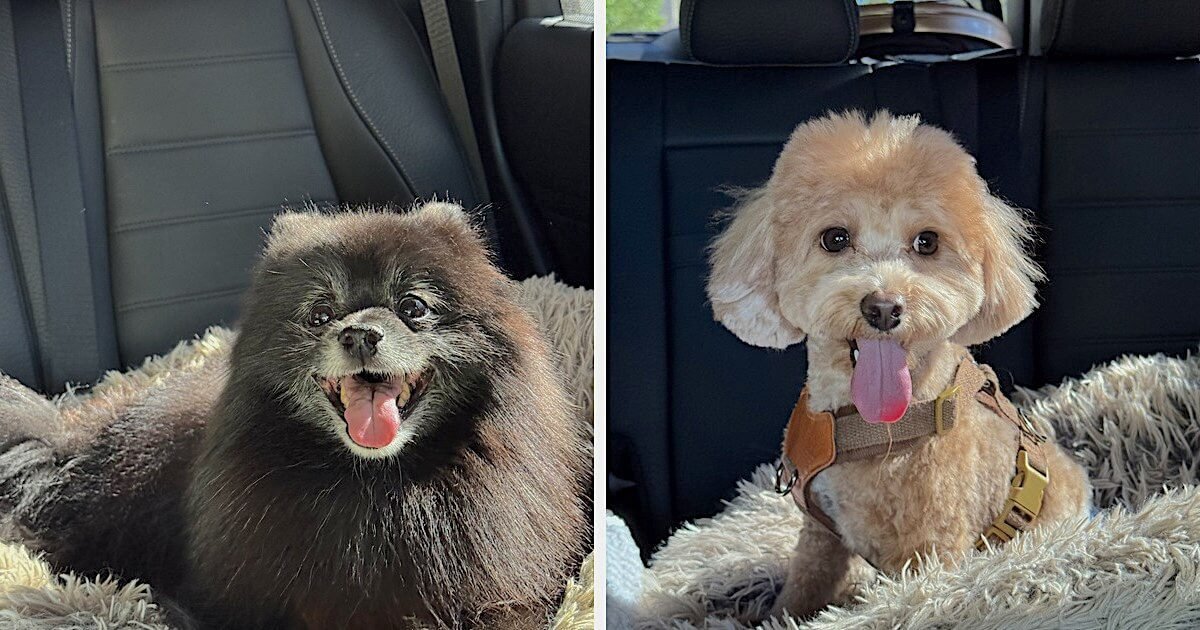
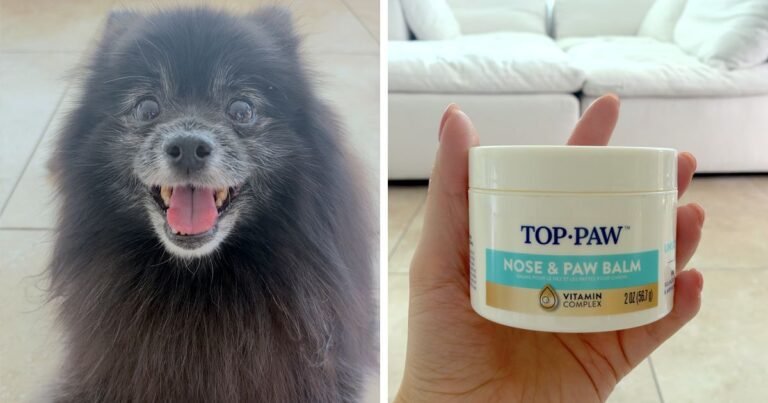
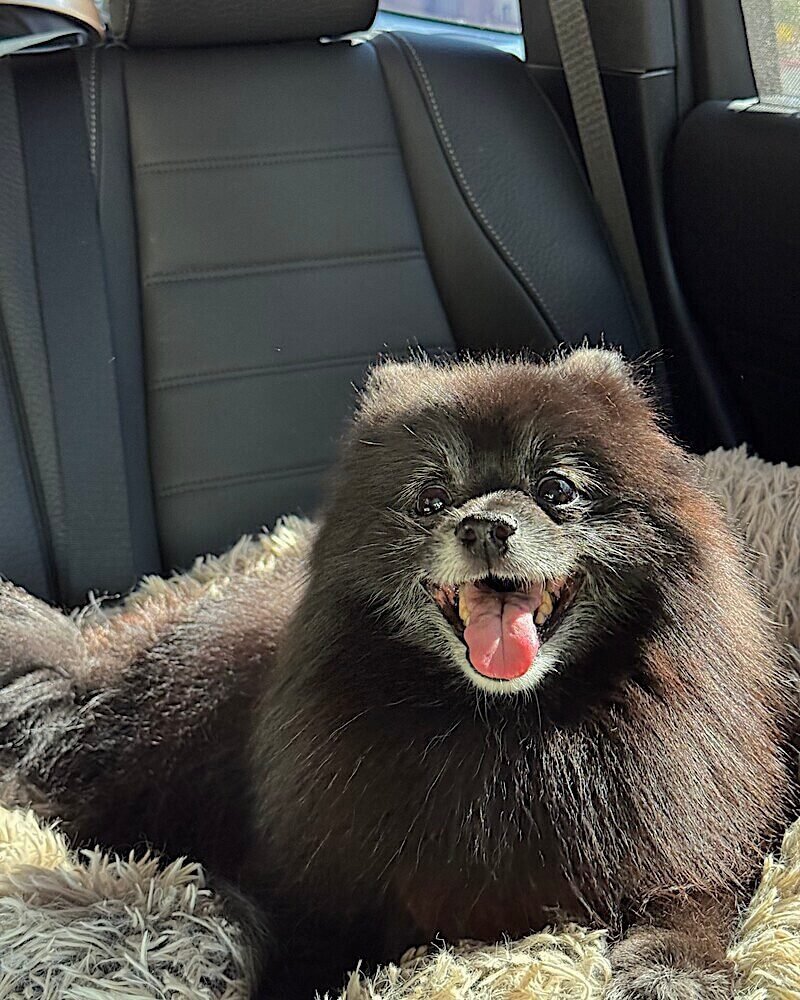
I was scrolling through photos the other night, picking one to post, and stopped on a shot of our senior girl mid-laugh, mouth wide open. And there it was: a line of tartar along her back teeth I had somehow not noticed in real life. That photo is basically what started this whole post about the signs your dog needs a teeth cleaning.
With three small dogs, it is easy to check the big, obvious things (energy, appetite, coat) and completely miss what is happening inside their mouths, since nobody’s out here prying a dog’s jaw open every day. Here are the actual signs I’ve learned to watch for, and what I do once I spot one.
At a Glance: Signs to Check For
| Sign | What it usually means |
| Bad breath that isn’t just “dog breath” | Bacteria buildup, often the earliest sign |
| Yellow or brown film along the gumline | Tartar buildup |
| Red, swollen, or bleeding gums | Early gum disease (gingivitis) |
| Pawing at the mouth or dropping food | Discomfort while chewing |
| Reduced interest in hard treats or chews | Tooth or gum pain |
| Best for / Good to know | Best for owners noticing bad breath or brown buildup and wondering when to book a cleaning. Good to know: if your dog has a swollen face, bleeding gums, or stops eating, call your vet right away. |
Signs your dog needs a teeth cleaning: what I actually look for
None of our dogs have ever refused to eat or acted obviously sick from a dental issue, which is honestly what makes this tricky. The signs I catch are smaller than that:
- Breath that’s gone from “typical dog breath” to something sharper
- A yellowish line right at the gumline, especially on the back molars
- Gums that look pink and healthy in one dog but slightly red or puffy in another
- Chewing on one side of the mouth, or being a little more careful with harder treats
If you catch any of that early, you’re usually looking at tartar and mild gingivitis, which is a much easier fix than waiting until it’s a bigger problem.
One sign I would add after this past year: if your dog starts dropping food or carrying it away from the bowl, check the mouth first, but check the bowl height too. For our senior it turned out to be her neck, not her teeth, and I wrote up how we figured out she needed a raised bowl.
Why it’s easy to miss with small toy breeds
Small breeds are more prone to dental disease than larger dogs, partly because their teeth are crowded into a smaller jaw, which means more surface area touching more surface area and more places for plaque to build up. With three dogs, I also genuinely did not check each mouth individually until I started paying attention, since day to day they all seem fine, eating normally and playing normally.
What I actually do when I notice a sign
If it’s just early tartar and the gums look healthy, I lean on daily prevention (more on that below) and keep an eye on it for a couple of weeks. If I see red or swollen gums, bad breath that’s gotten noticeably worse, or any reluctance to chew, that’s when I call the vet for an actual dental exam rather than guessing at it myself. A professional cleaning under anesthesia is really the only way to clean below the gumline, which is where the more serious buildup happens.
Prevention between cleanings
This is the part that actually moves the needle day to day. Brushing is the big one, and it got its own post: how often to brush dog teeth, plus exactly how our nightly routine goes with three small dogs. Here’s what we layer on top of it:
- A dental chew before dinner: not a replacement for brushing. Every evening, right before dinner, all three get a Zesty Paws Clean Breath Bite. Dental sticks are more of an every-now-and-then treat in our house
- Checking the gumline: takes ten seconds per dog once it’s a habit, lift the lip and look
- Professional cleanings when needed: brushing can’t reach below the gumline, so that part is the vet’s job. Our senior has had one; our two younger boys haven’t needed one yet, and nightly brushing is how I’m trying to keep it that way
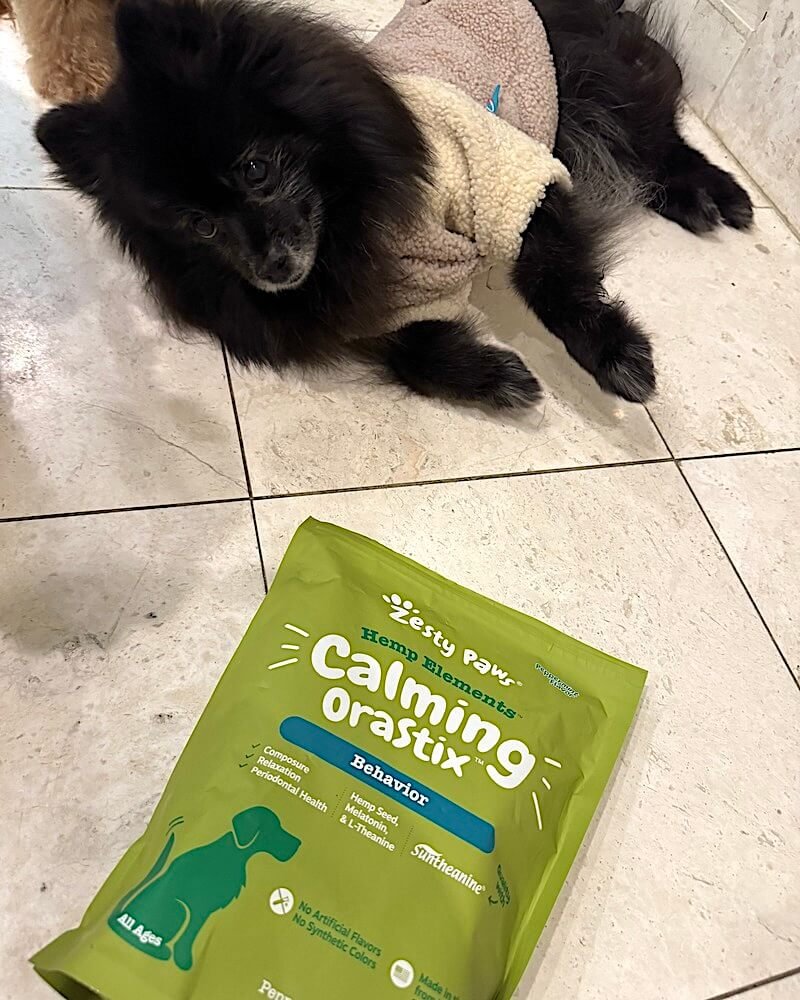
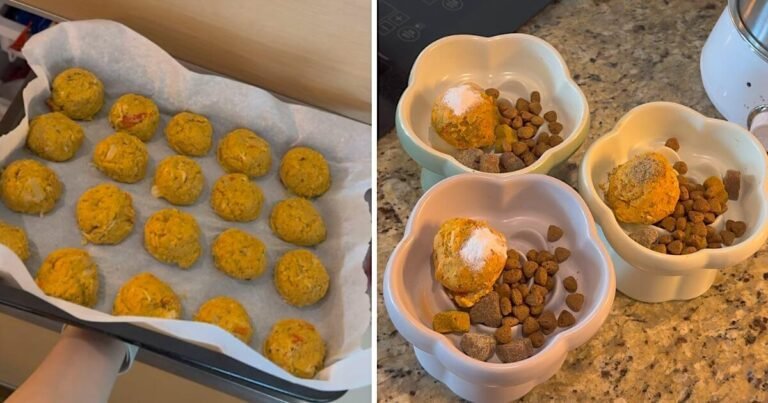
The Clean Breath chew is the one dental step that is easy to keep up every single day, which is why it stuck. It sits in the same evening stretch as dinner and tooth brushing, and the rest of their chews are in our daily dog supplement routine. One thing I stopped counting on is kibble doing the cleaning for me. We feed a homemade and kibble mix, and the crunch has never made much of a dent in tartar on its own.
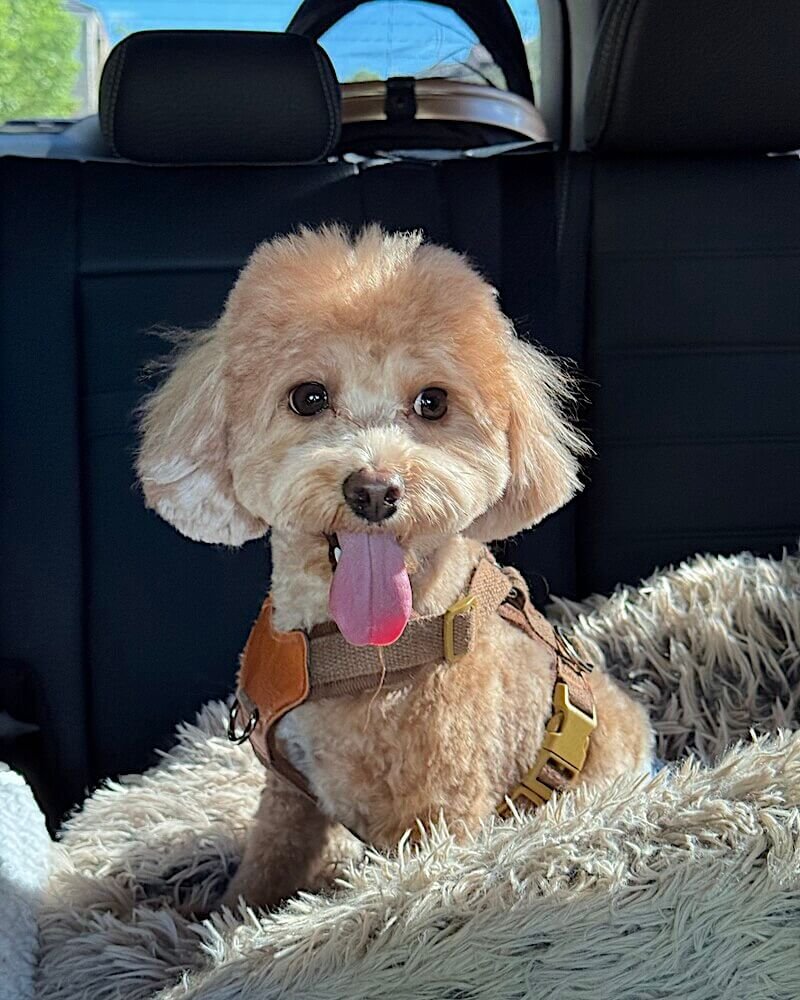
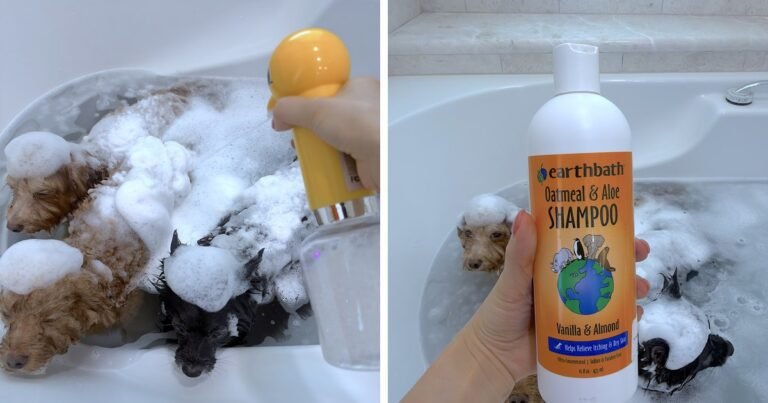
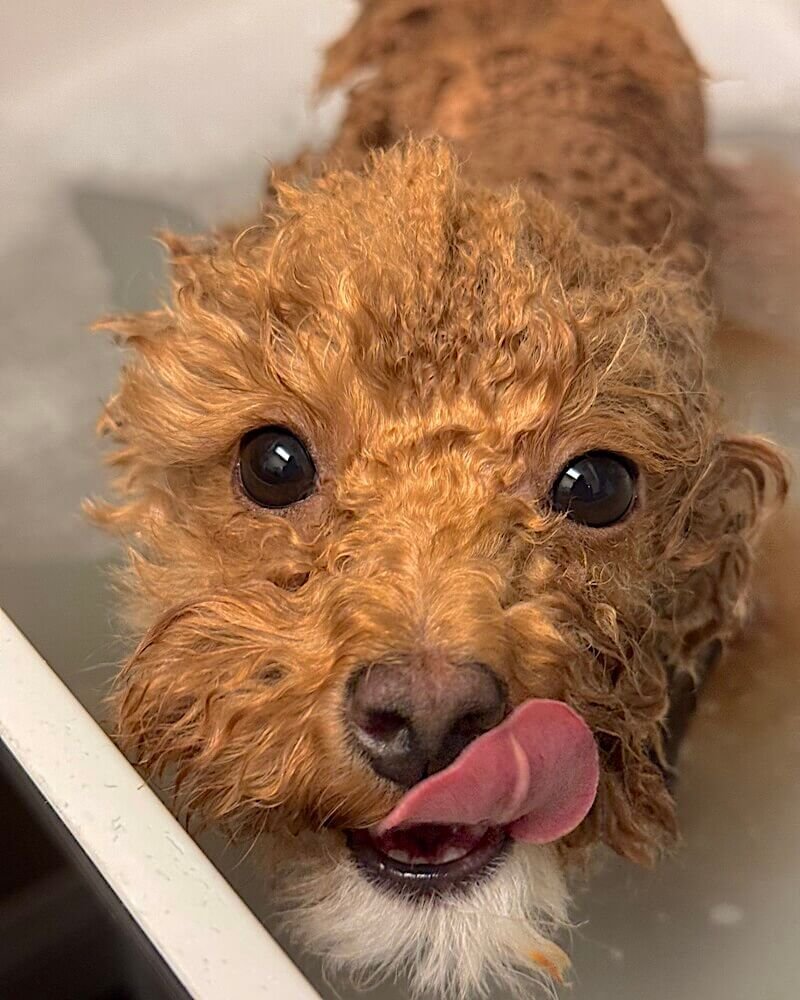
Bath time has actually turned into an easy moment to do this. I’m already handling their face and mouth to rinse them off, so I take the extra few seconds to check the gumline while they’re already there. It is the same window where I check whether a grooming session actually went well for them, so the whole head-to-toe once-over happens in one go. Those every-two-weeks baths are also the backbone of our at-home routine between grooming visits. Ears get checked in that same session, and I walked through it step by step in my guide to cleaning dog ears at home.
Three small dogs means I’m doing this check three separate times, and honestly, some of them tolerate it better than others. Our youngest is the biggest drama queen about anything near his face, so he gets the most kisses and “good boy”s while I look. We stopped bribing them with treats a while back, because the treats were starting to show up on their waistlines.
Frequently Asked Questions
Between the three of them, the signs are almost never the same. One flashes a yellow gumline first, another just gets a little pickier about hard chews. Checking each mouth individually instead of assuming they’re all fine because one of them is has made the biggest difference for us. It is the same habit that got us paying attention to the early joint stiffness signs in our 14-year-old before they turned into something bigger, and later, the signs our senior dog needed a stroller that I had been explaining away for months.
Teeth are easy to forget until something goes wrong, so a quick look inside each mouth is now a regular part of how I check in on all three. What ends up in their mouth counts just as much, so once autumn hits I also keep track of the fall foods dogs should not eat that start showing up around the house. If you’ve caught an early dental sign in your own dog, I’d love to hear what tipped you off in the comments.