How to Use Body Oil: My After-Bath Routine (Cream First, Oil Last)

If you’re wondering how to use body oil, here’s my short answer: I use it last. After a warm half-body soak at night, my body cream goes on first, and the oil goes on top to keep everything soft longer. The part that took me forever was finding the right cream and the right oil, and that’s most of this post.
I’m the kind of person who buys a body cream just because I’m curious about the brand. I’ve tried a lot of them, and I kept settling on one and then moving on to the next. The cream in this post is the one I’ve completely settled on. The body oil is my number one, and I actually threw out every other body oil I had.
Below you’ll find my exact order, how long I soak, what I do on nights I use my at-home RF device, and the two products that live on my bath tray. I’m not a dermatologist. This is just what works for my skin.

| My short answer | Body cream first, body oil last, right after my evening soak |
| When | After a 20 minute half-body soak in water around 102°F (39°C), before bed |
| My body cream | mythos Nourishing Body Mousse (night blooming jasmine), 200 ml |
| My body oil | Alqvimia Body Sculptor Body Oil, 150 ml (5 fl oz) |
| Device nights | At-home RF device with its own contact lotion first, wiped off, then cream and oil |
| How often I use the device | At least twice a week, every day when I’m on a roll |
| Best for / Good to know | Best for anyone who wants soft, glowy skin without a sticky feeling. Good to know: oil and RF devices don’t mix, so my device always goes first, on clean skin |
How to Use Body Oil: My Step-by-Step Order
Here’s my whole routine in the order I actually do it. Steps 1, 3 and 4 happen every time I soak. Step 2 only happens on nights I use my RF device.
- Soak for about 20 minutes. Half-body, in water around 102°F (39°C). The rest of that night, from the dogs’ walk to lights out, is in my evening routine.
- Device nights only: RF device on clean skin with its own contact lotion, then I wipe the lotion off.
- Body cream first, as soon as I’m out of the tub and toweled off.
- Body oil last, pressed and smoothed over the cream.

Step 1: My 20 Minute Half-Body Soak at 102°F
In Korea we call this banshinyok, a half-body bath. You sit in the tub with the water around your waist, so your upper body stays out of the water. I soak for about 20 minutes in water around 102°F (39°C). It feels past warm, that toasty kind of hot where you lower yourself in slowly.
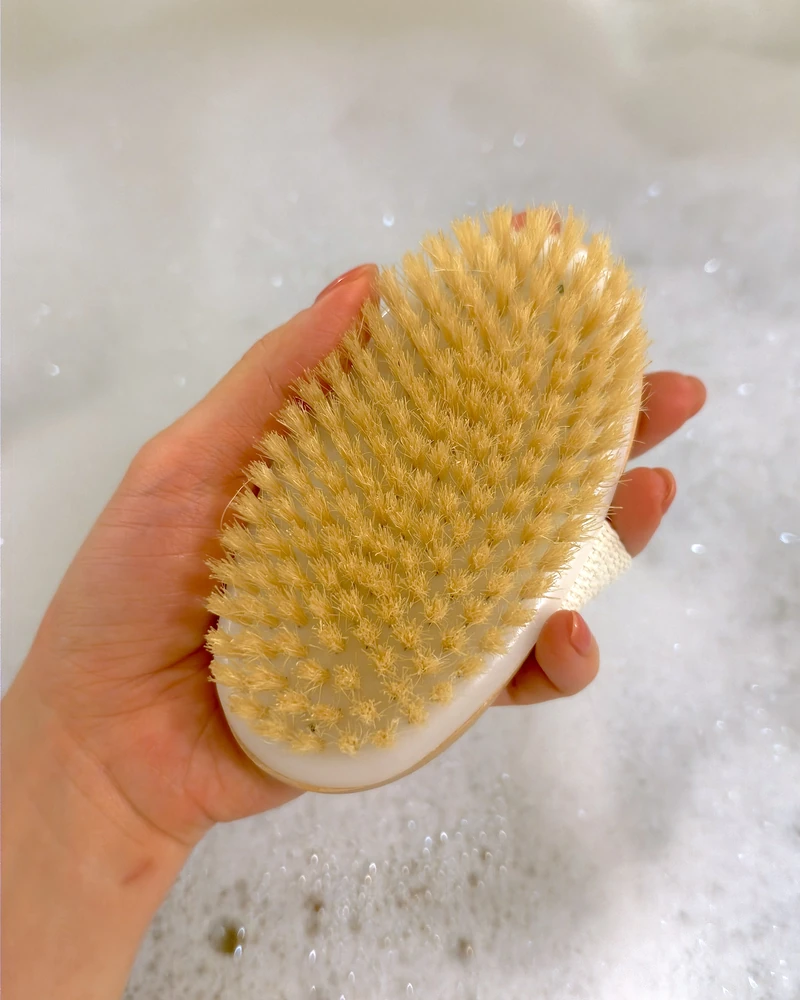
A wooden bath tray goes across the tub with my water bottle and a towel on it. The night I took these photos, I also brought my bristle body brush into the tub with me. And twice a week, this is when my hair mask is sitting on my hair, so the soak does double duty. If you’re wondering whether that mask goes on before or after shampoo, here’s my exact wash day order.
Tip: how hot and how long to soak. I got curious about the right temperature and time, so I looked it up. Here’s what I found, depending on why you’re soaking:
- For a Korean-style half-body soak: Korean half-bath guides usually say water around 102°F (39°C) for about 20 minutes, with the water coming up to just below your chest. That’s the version I follow.
- For better sleep: a 2019 University of Texas at Austin review found that bathing in water around 104 to 109°F (40 to 43°C) 1 to 2 hours before bed, with about 90 minutes before bed as the sweet spot, helped people fall asleep about 10 minutes faster on average.
- For very dry skin: the American Academy of Dermatology suggests keeping baths to 5 to 10 minutes in warm water and putting moisturizer on right after, while your skin is still damp.
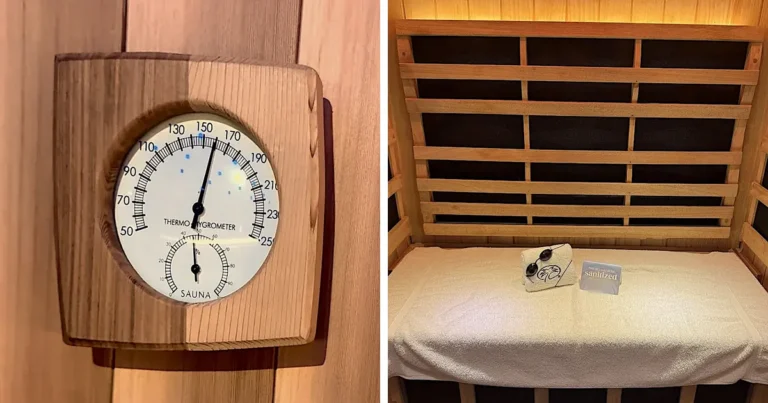
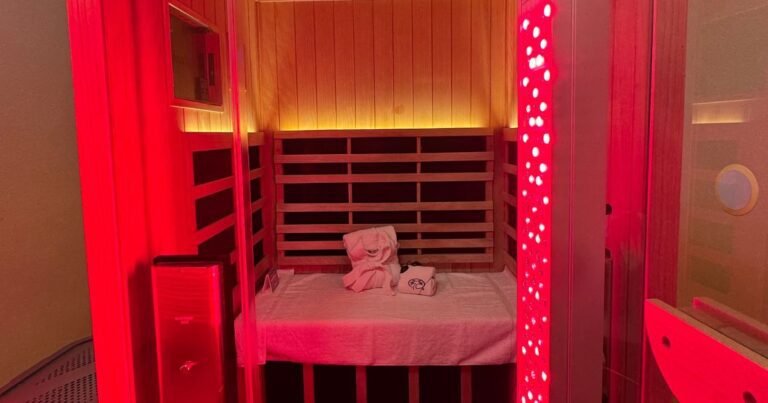
My 20 minutes is longer than that dry-skin advice, and that’s exactly why my cream goes on the moment I’m out. For comparison, my infrared sauna booth runs a lot hotter than my tub, which I wrote about in how hot a sauna gets. If you feel dizzy or lightheaded in hot water, keep your soak shorter and cooler.
Step 2 (Device Nights Only): My At-Home RF Device Goes On First
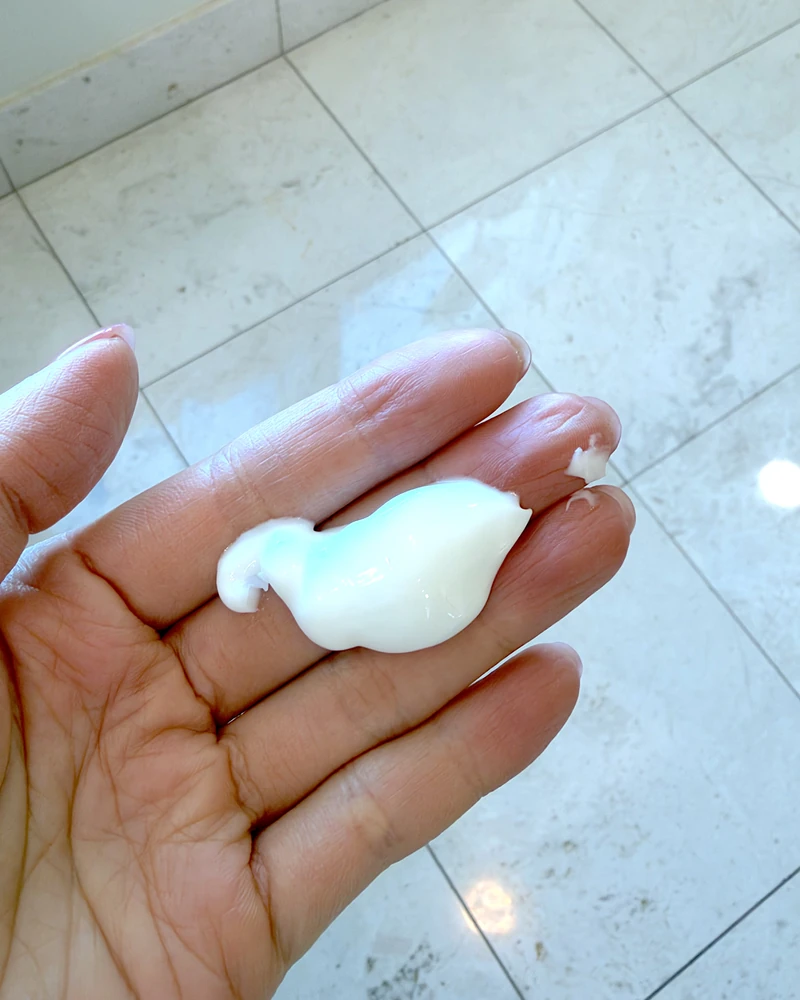
On some nights, before any cream, I use my Cellmula I-ALL. It’s a Korean at-home body device that combines radio frequency (RF) with suction. One rule decided my whole order: the device has to be used with its own contact lotion. The seller’s guide warns that oils, aroma oils and very watery creams can make the device malfunction or even spark. So the device always comes first, on clean skin, and I wipe the contact lotion off before my cream and oil go on.
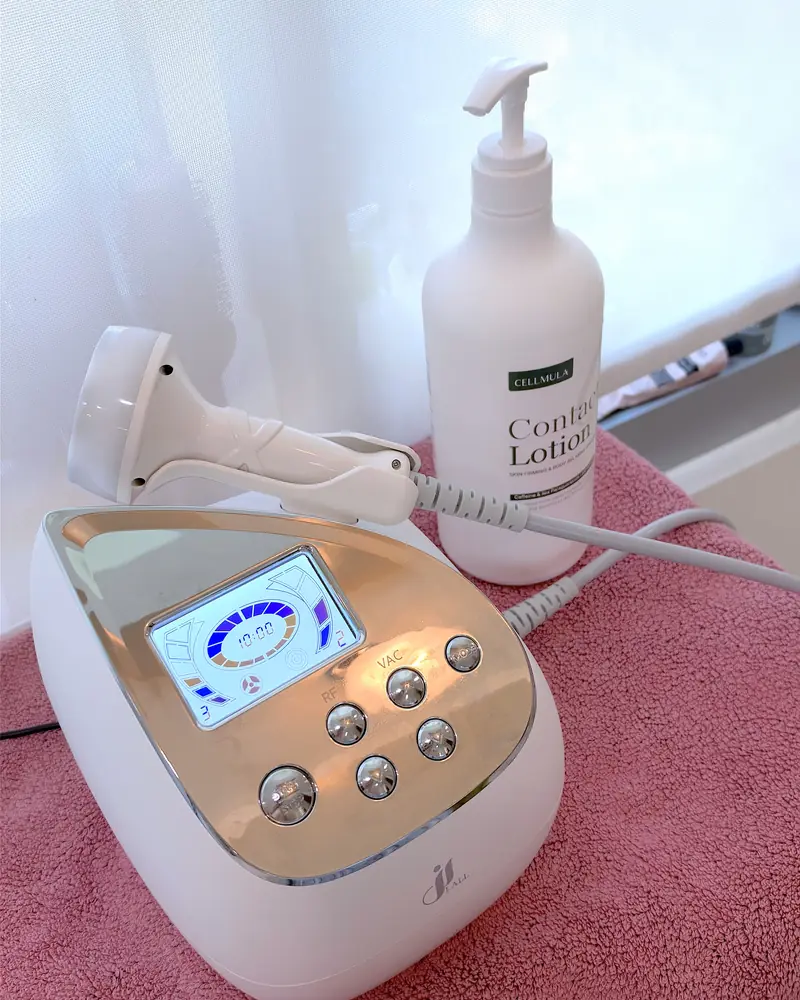
Here’s how I use it. I spread the contact lotion on the area, then glide the handpiece over my skin while it gently pulls. The handpiece glows red while it’s working. RF goes up to 6 levels and suction goes up to 4. The day I took these photos, the screen showed a 10-minute timer with RF on 3 and suction on 2. The seller’s guide suggests about 10 minutes per area.
There are two suction modes: a steady, continuous pull and a rhythmic pulse that pulls and lets go. I use both, because each one feels different to me. If you’re curious about red light on its own, I wrote about how often I do red light therapy on my face at the salon.
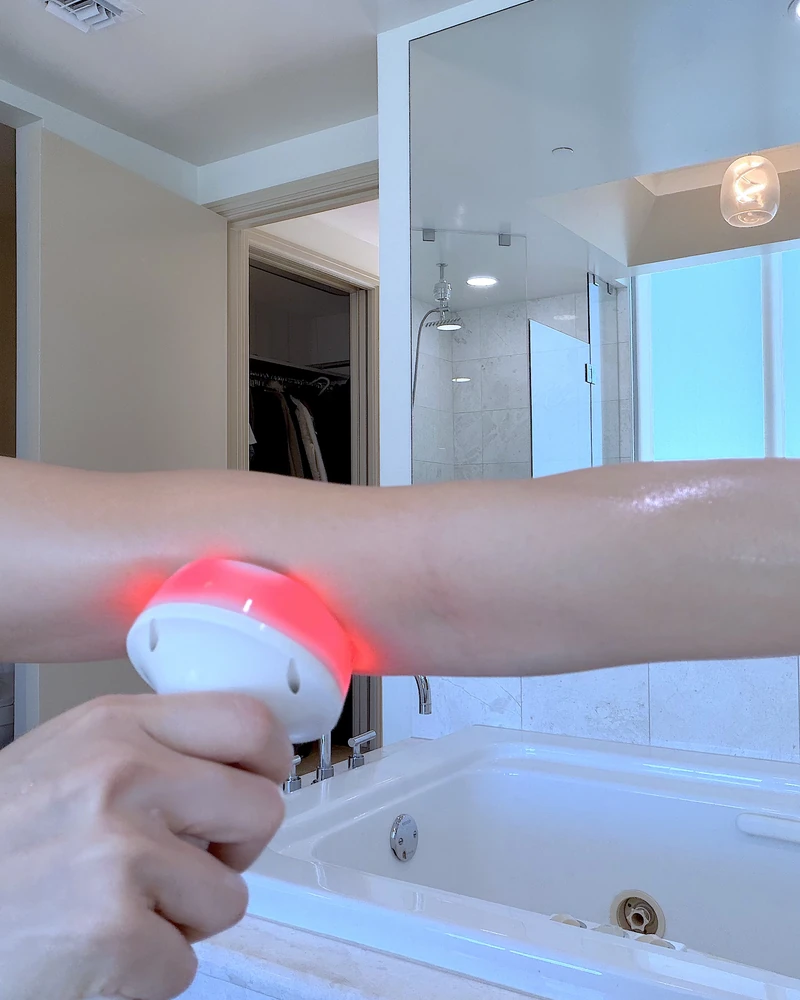
I use it at least twice a week, and when I’m on a roll I use it every day for a stretch. The seller’s guide says 1 to 2 times a week in one place and 2 to 3 times a week in another, so I’d go with whatever your own device’s manual says. And honestly, I love it. Tight, knotted spots feel looser afterward, my skin feels firmer to me, and those stubborn areas that never seem to tighten up on their own look neater to me. When I think about what professional RF sessions at a spa cost, I feel like I’ve already gotten my money’s worth. I use it on my husband too. This is my own experience, not a promise of results.
Good to know: the seller lists a few cautions. Don’t use it if you have a pacemaker or another implanted electronic medical device, talk to your doctor first if you’re pregnant, and take off all metal and jewelry before you start.
Step 3: Body Cream First
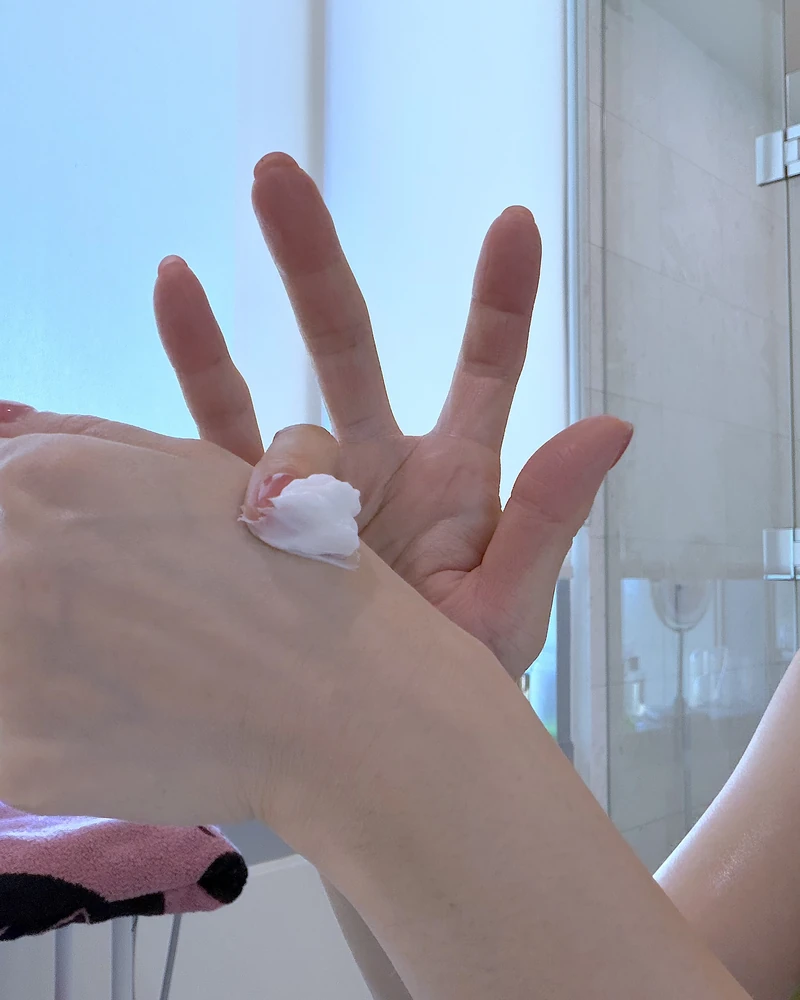
Once I’m out of the tub and toweled off, cream goes on first. I scoop a little of my body mousse and smooth it over my legs and arms. It’s whipped and light, so it spreads fast and sinks in without leaving me sticky. That feeling is exactly why I stopped shopping around.
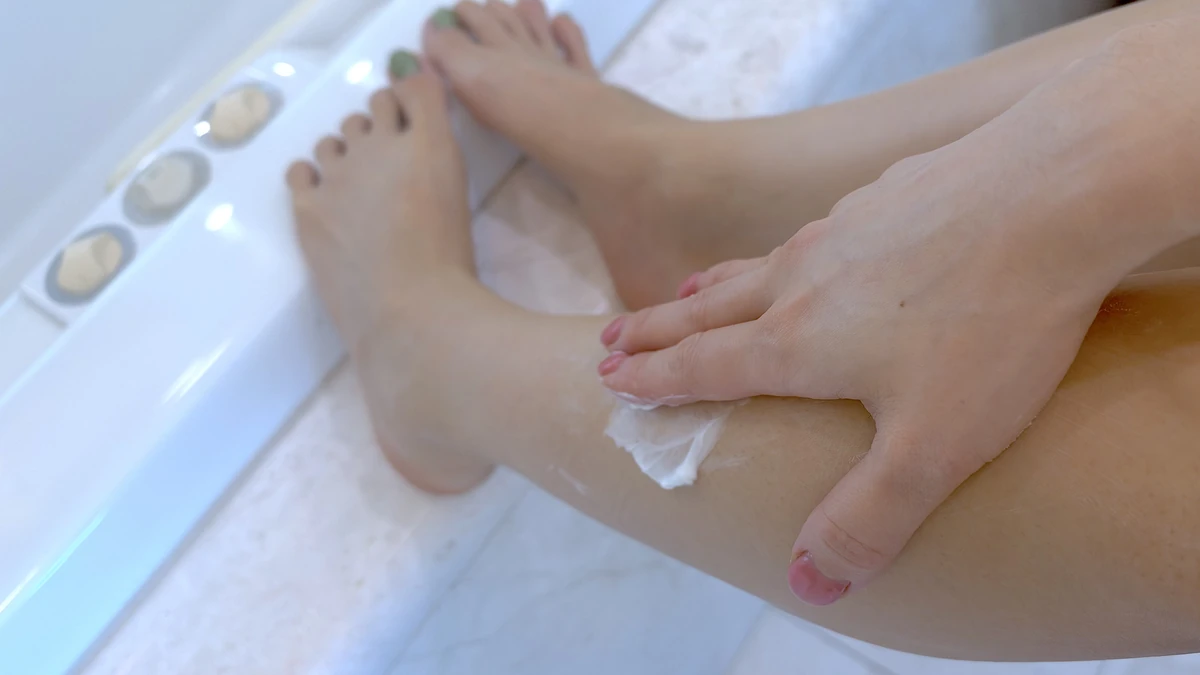
The American Academy of Dermatology suggests putting moisturizer on right after a bath, while your skin is still damp, so I try not to wander off between the tub and the cream.
Step 4: Body Oil Last
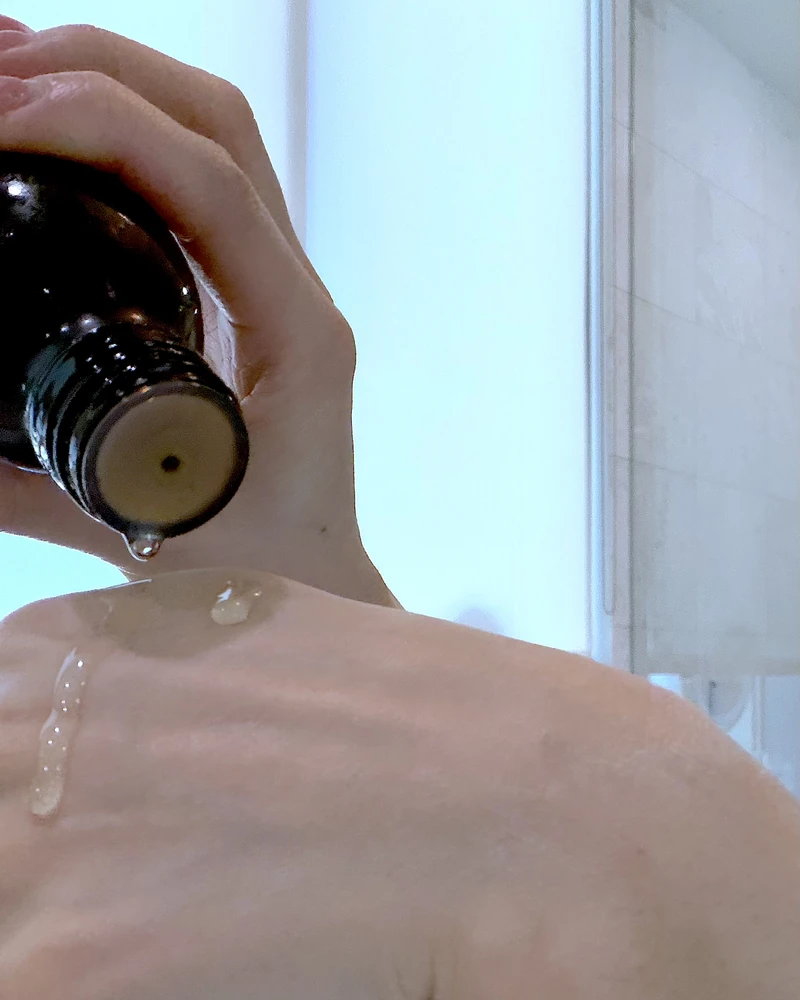
Then the oil. On my legs, I pour a little straight from the bottle onto my shins and smooth it over the cream. On my hands, I drip a few drops onto the back of my hand and rub my hands together.

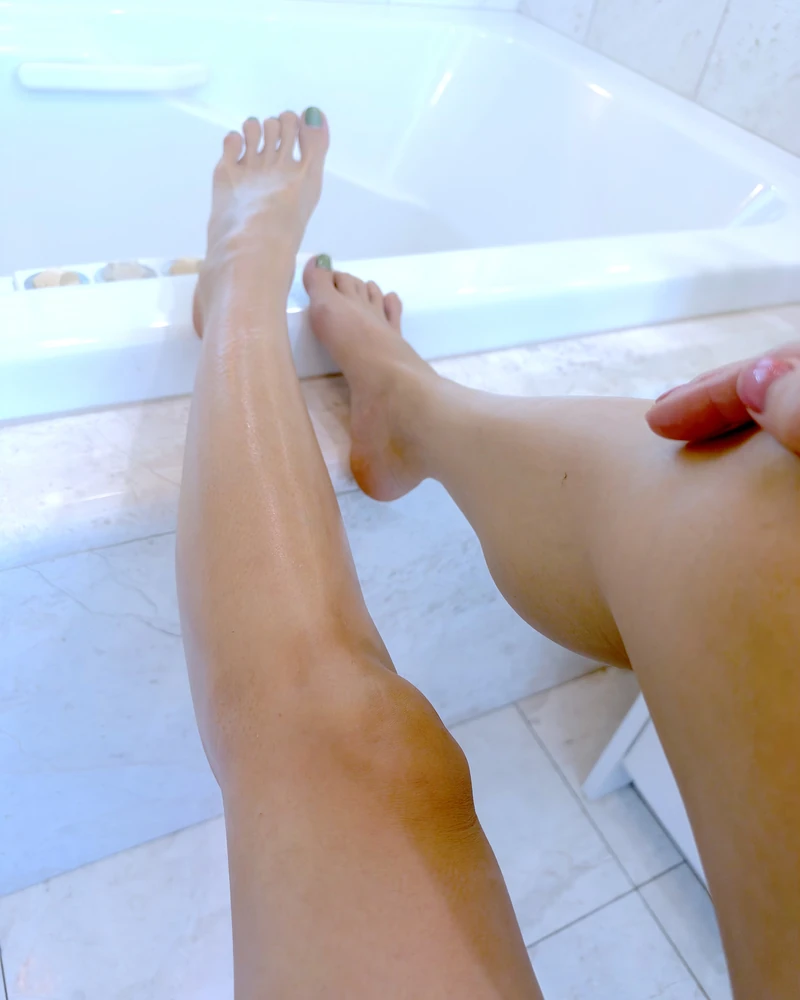
This is the finish I love. My legs look glowy, not greasy, and my skin stays soft longer than with cream alone, which is the whole reason I layer them.
Body Oil or Lotion First? Why My Cream Goes On First
This is the question I see the most, and people really do it both ways. My reason for cream first is simple: I want my skin to stay moisturized longer. The cream is my hydrating layer, and the oil on top is the finishing layer that keeps it all in. A lot of the advice out there says the same thing: water-based lotion or cream first, oil last.
Some people like oil first on damp skin with lotion on top. If that feels better on your skin, that’s fine too. For me, oil on top is what gives me the glow and keeps the softness going.
The Body Cream I Finally Settled On
This is my bathroom ledge, and yes, I buy body creams just to try them. When a brand makes me curious, I usually end up buying it.

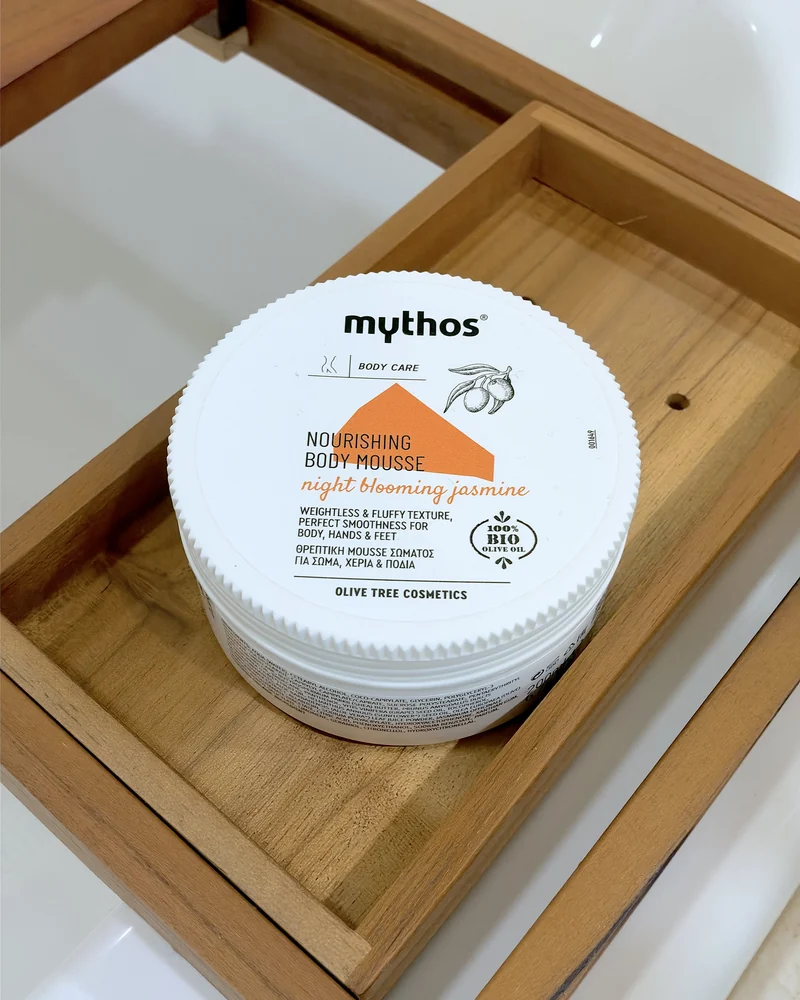
The one I finally stopped looking past is mythos Nourishing Body Mousse in night blooming jasmine. It’s a 200 ml tub from Olive Tree Cosmetics, the label says it’s made with 100% organic (bio) olive oil, and it’s meant for body, hands and feet. The texture is weightless and fluffy, like a whipped mousse. It glides on, spreads easily and soaks in without that sticky feeling. That’s the whole reason it won.
The Only Body Oil I Kept
My body oil is Alqvimia Body Sculptor Body Oil, 150 ml (5 fl oz), made in Spain. This is my number one body oil. I love the scent, I love what’s in it, and I threw out every other body oil I owned.
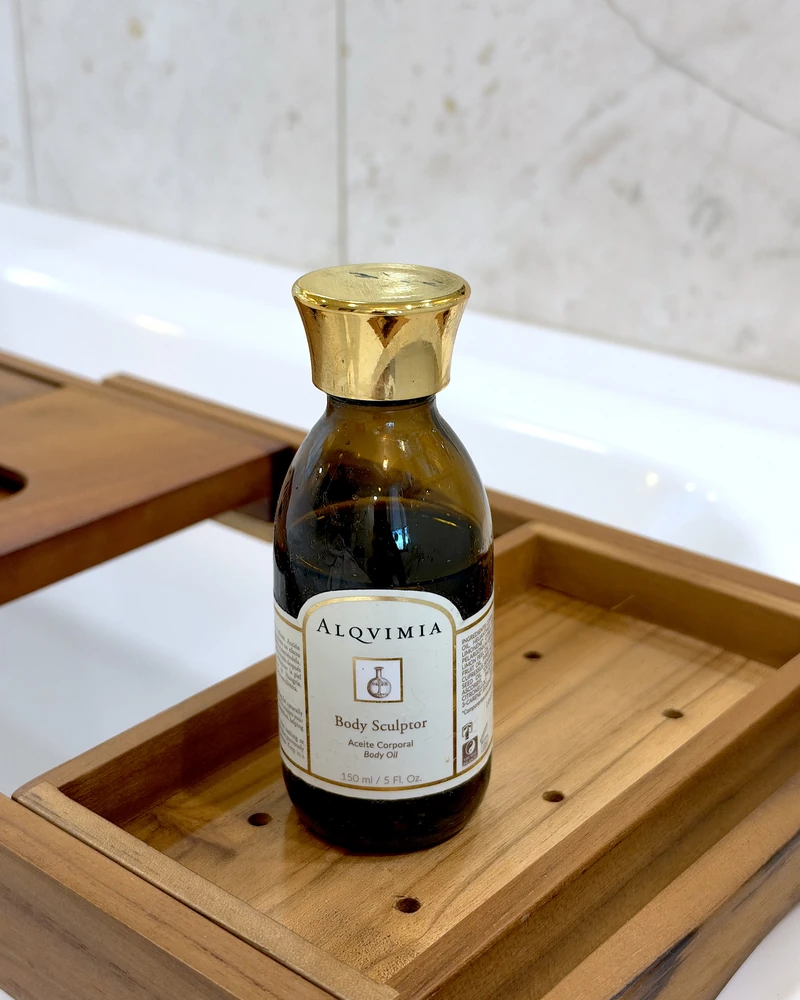
The label says 100% natural origin. The base oils are hazelnut, sweet almond, sunflower and wheat germ, and then there’s a long list of essential oils, including grapefruit, geranium, lavender, lemon, lemongrass, fennel, black pepper, juniper, cypress and coriander. That mix is a big part of why I love the scent so much.
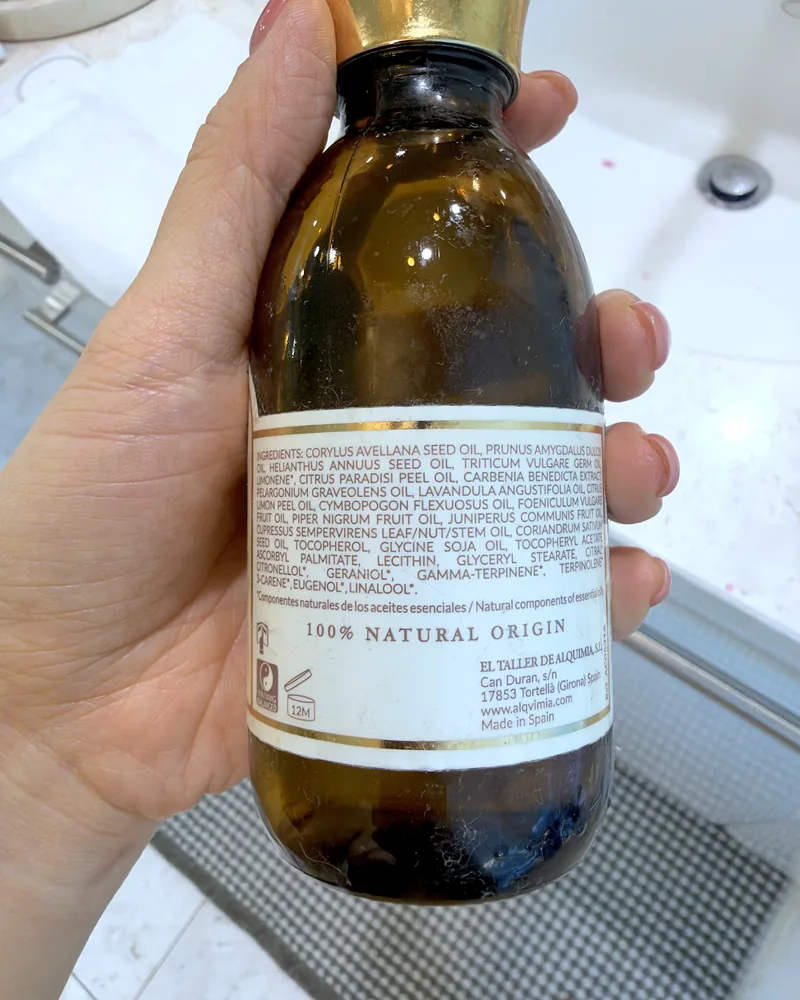
Good to know: the name says Sculptor, but I don’t use it expecting it to reshape anything. I use it for soft skin and that scent. Because it has hazelnut, almond and wheat germ oils, check the label if you have a nut or wheat allergy. The open-jar symbol on the back says 12M, which means it’s meant to be used within 12 months after opening.
Good to Know Before You Start
- Oil and RF devices don’t mix. If you use a device like mine, it goes first with its own contact lotion, then cream, then oil.
- Moisturize right away. A hot soak is lovely, so give your skin its cream as soon as you’re out.
- Sit down to apply. Oily feet on a wet tub or tile floor get slippery.
- Patch test oils with essential oils. Especially if your skin is sensitive.
- Read the label for allergies. Many body oils use nut and seed oils, like mine.
Frequently Asked Questions
If you take one thing from this post, make it the order: soak, device on clean skin if you use one, cream first, oil last. And whatever you use, put it on right after you get out of the tub.
I also shared my hair routine for less frizz, including the hair mask I leave on during this same soak. If you layer body oil too, tell me in the comments which one goes first for you. And if you’re building a relaxing heat routine, here’s my tanning salon red light therapy routine and what it costs me per visit.