Stationary Bike Zone 2 Workout for Beginners (30-Minute Guide)
If you want to build endurance and burn fat without burning out, here is our simple stationary bike zone 2 workout for beginners, target heart rate tips, and routine.
Starting a consistent cardio routine doesn’t mean pushing yourself until your legs give out or you’re gasping for air. Some of the most effective aerobic conditioning and fat-burning adaptations actually happen when you slow down and keep your heart rate steady in Zone 2.
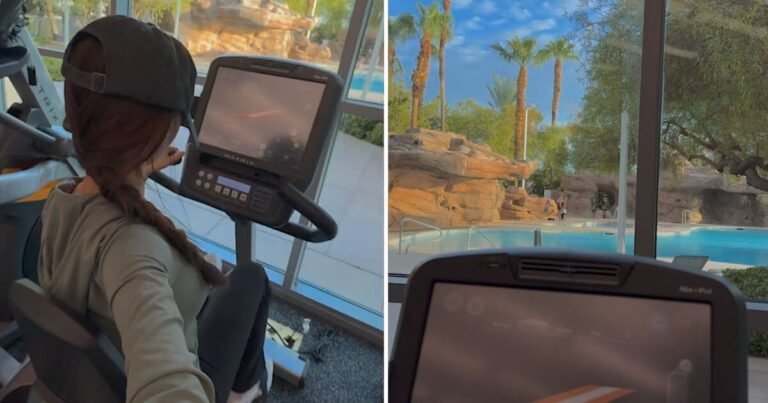
If you have a stationary bike at home, you already have one of the best low-impact tools available. Indoor cycling makes it easy to control your resistance, skip the distractions of traffic or hills, and stay locked into your ideal heart rate zone.
Here’s a straightforward, beginner-friendly 30-minute stationary bike routine built to grow real cardiovascular endurance without burning you out.
Quick Answer: A beginner-friendly Zone 2 stationary bike workout is 30 minutes total: a 5-minute warm-up, 20 minutes at a steady, conversational pace (70 to 85 RPM), and a 5-minute cool-down. You’ll know you’re in Zone 2 if you can talk in full sentences but couldn’t comfortably sing along to a song.
Understanding Zone 2 (The Talk Test vs Heart Rate Numbers)

Zone 2 is generally defined as 60% to 70% of your maximum heart rate. At this intensity, your body primarily burns fat for fuel, clears lactate efficiently, and builds mitochondrial density.
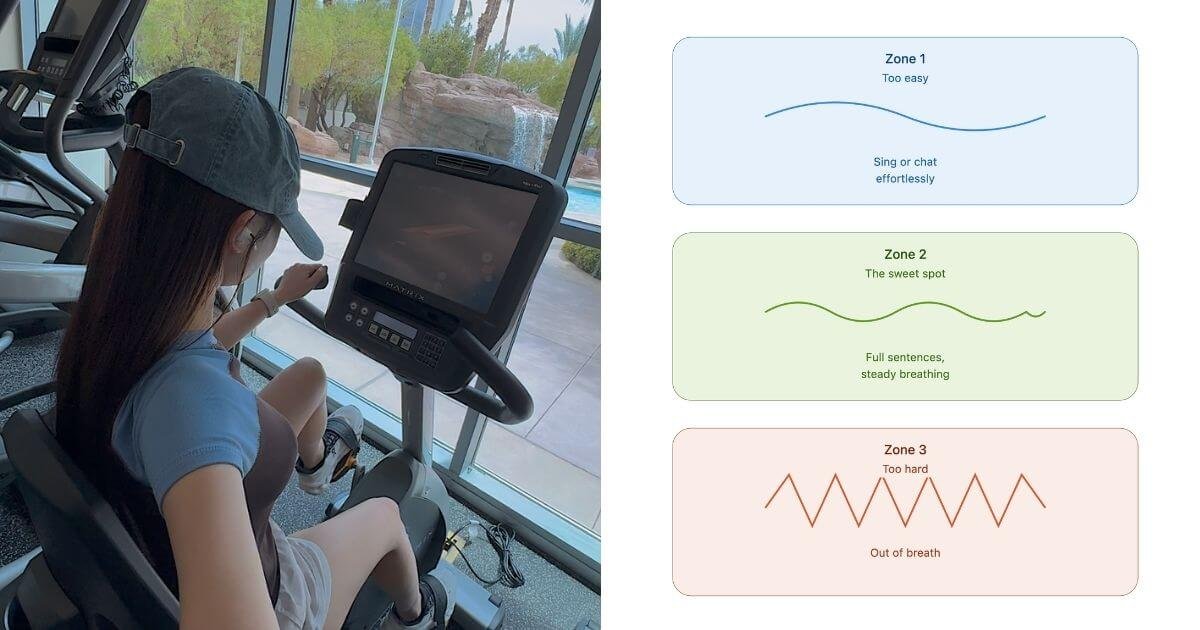
Smartwatches and fitness trackers are great tools, but heart rate can fluctuate based on sleep quality, room temperature, or your morning coffee. The most practical, real-time way to confirm you’re in Zone 2 on a stationary bike is the talk test:
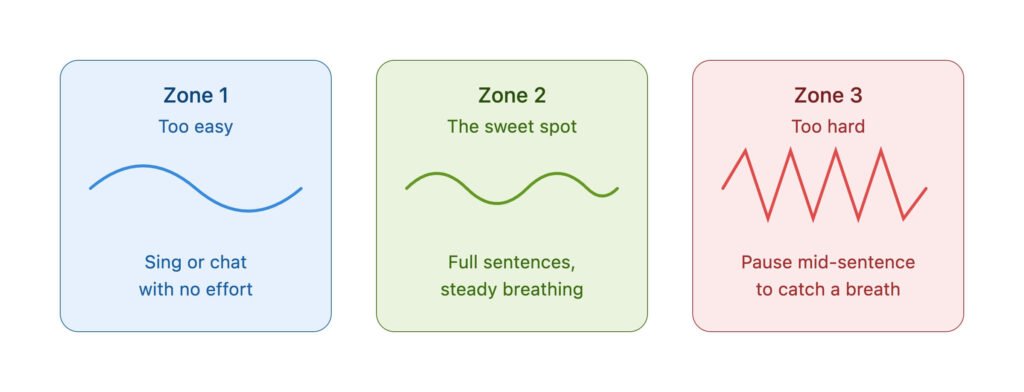
- Zone 1 (Too Easy): You can sing along to music or talk effortlessly without any extra breathing effort.
- Zone 2 (The Sweet Spot): You can speak in complete, comfortable sentences, but anyone listening would know you’re exercising. You can keep steady nasal breathing or easy, rhythmic mouth breathing without gasping.
- Zone 3 (Too Hard): You have to pause mid-sentence to grab an extra breath.
If you want your exact numerical target before hopping on the saddle, check out our step-by-step guide on how to calculate your Zone 2 heart rate for cycling to set your baseline numbers.
The 30-Minute Beginner Stationary Bike Routine
When you’re riding in Zone 2, smooth pedaling and consistency matter far more than heavy resistance. Use this simple timetable for your session:
| Time | Phase | Target Cadence (RPM) | Effort & Description |
|---|---|---|---|
| 00:00 – 05:00 | Warm-Up | 60 to 70 RPM | Very light resistance. Wake up your legs, warm your joints, and let your pulse rise naturally. |
| 05:00 – 25:00 | Zone 2 Main Set | 70 to 85 RPM | Light to moderate resistance. Focus on smooth pedal strokes and run the talk test every few minutes. |
| 25:00 – 30:00 | Cool-Down | 50 to 60 RPM | Drop resistance to the lowest setting. Spin out the tension and bring your heart rate back down. |
3 Golden Rules to Stay in Zone 2 Indoors
1. Prioritize Cadence Over Heavy Resistance
A common mistake beginners make is cranking the resistance knob too tight. Heavy resistance turns your cardio session into a leg-strength workout, pushing your heart rate straight into Zone 3 or Zone 4. Keep the tension light and focus on spinning your pedals at a fluid 75 to 80 RPM.
2. Manage Heat and Prevent Cardiac Drift
Riding indoors builds up real body heat, since there’s no natural breeze cooling your skin. As your core temperature rises, your heart beats faster even if your pedaling speed stays exactly the same (a phenomenon called cardiac drift). Point a fan directly at your bike and keep a bottle of cool water within reach.
3. Relax Your Upper Body
Keep a gentle grip on the handlebars, drop your shoulders away from your ears, and lightly engage your core. Unnecessary tension in your neck and arms just adds systemic fatigue and drives your pulse up.
Post-Ride Recovery: Resetting Your Body
Once you finish the 30-minute ride, take 3 to 5 minutes off the bike for light standing hamstring, quadriceps, and calf stretches.
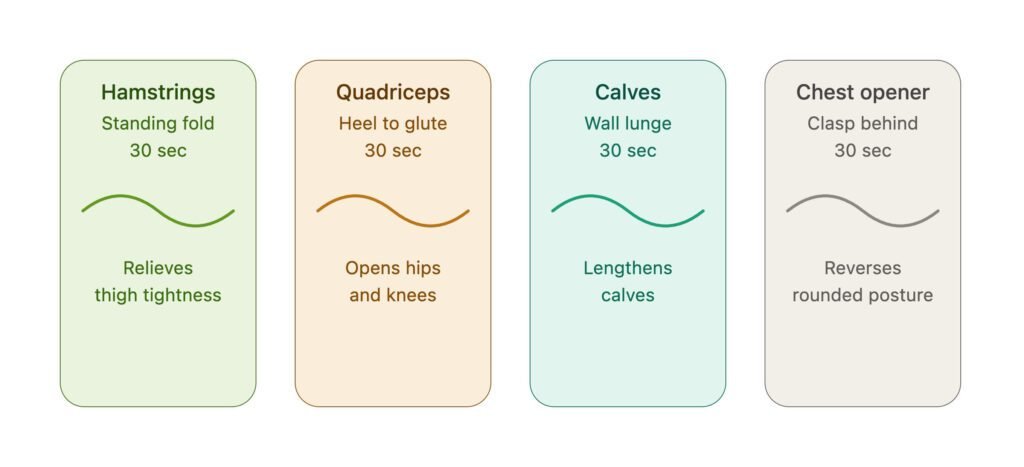
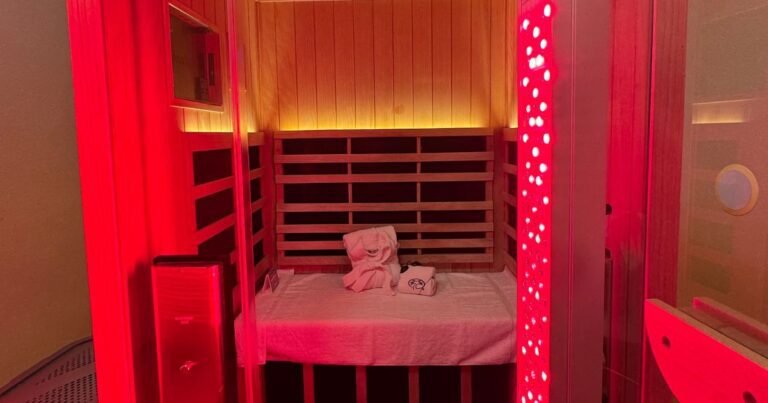
Taking care of recovery right away prevents lower-body stiffness and keeps your legs fresh for the next workout. If you enjoy restorative evening habits, pairing low-impact cardio with a relaxing red light therapy and sauna routine is a great way to soothe tired muscles and support deep cellular recovery.
Frequently Asked Questions
Building sustainable fitness is all about consistency over intensity. Keep your indoor cycling sessions smooth, manageable, and enjoyable, and you’ll build a healthy movement habit that supports your overall wellness for years to come.