How Long in a Red Light Sauna? My Honest 40-Minute Answer
The question I get asked more than any other is how long in a red light sauna a session should actually be. It is the same thing I was searching my first week, and every answer I found was some version of “it depends,” which is true and also completely useless when you are standing there with a timer in front of you.
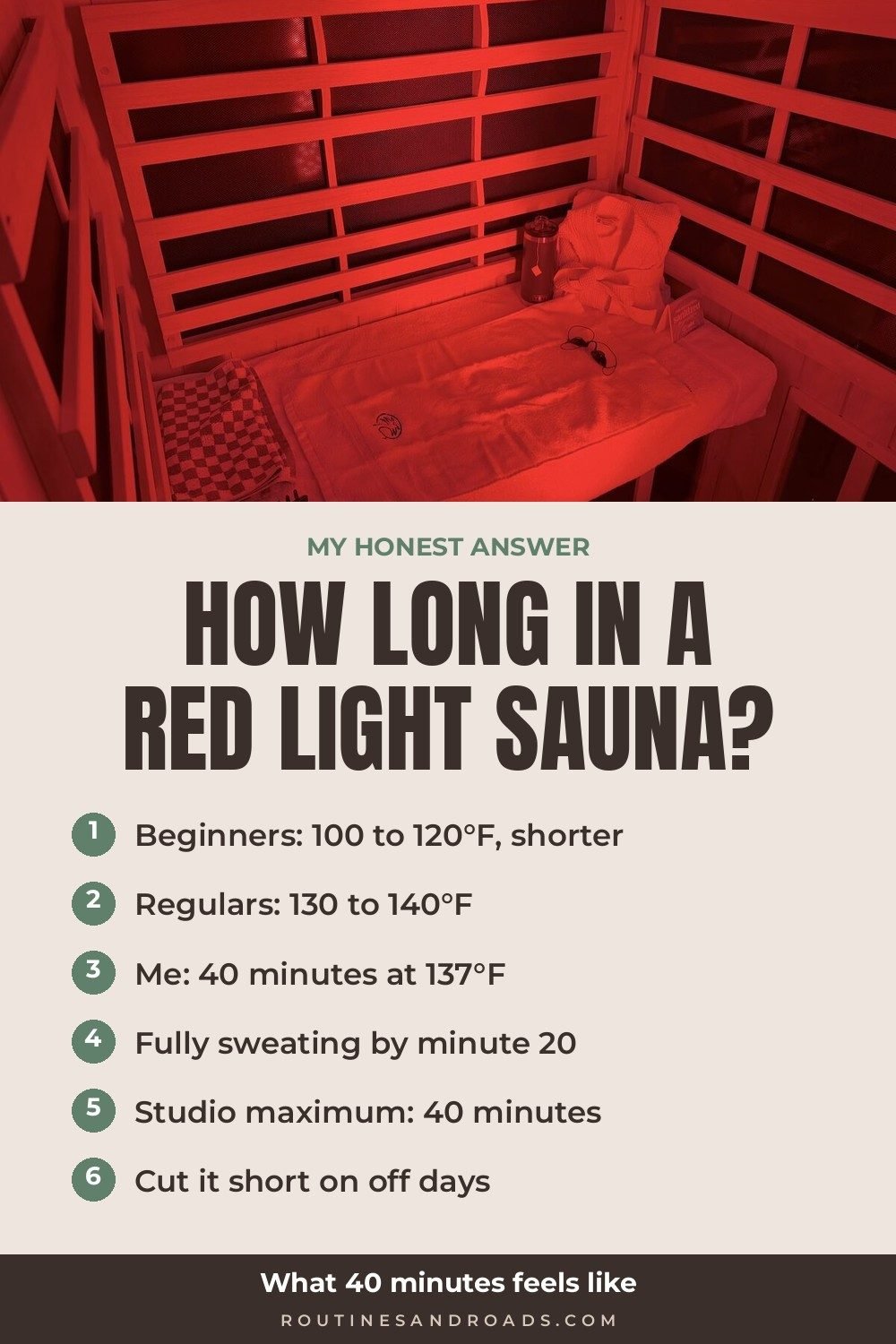
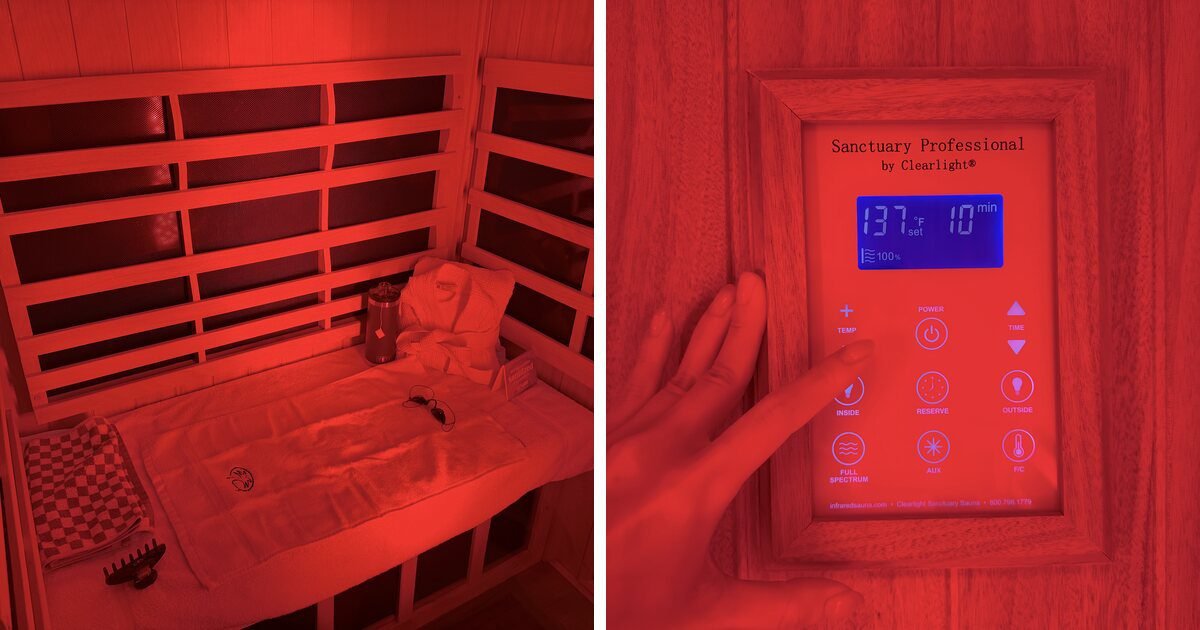
So here is my specific answer, with real numbers. I book 40 minutes and I set the booth to 137 degrees Fahrenheit. The panel goes up to 175, and I do not use anywhere near that.
The interesting part is that the number I set had to change with the season, and nobody warned me about that. What the booth does in July is not what it does in September. If you want the longer version of what these sessions have actually been like, I wrote an honest six month review of the booth in its own post.
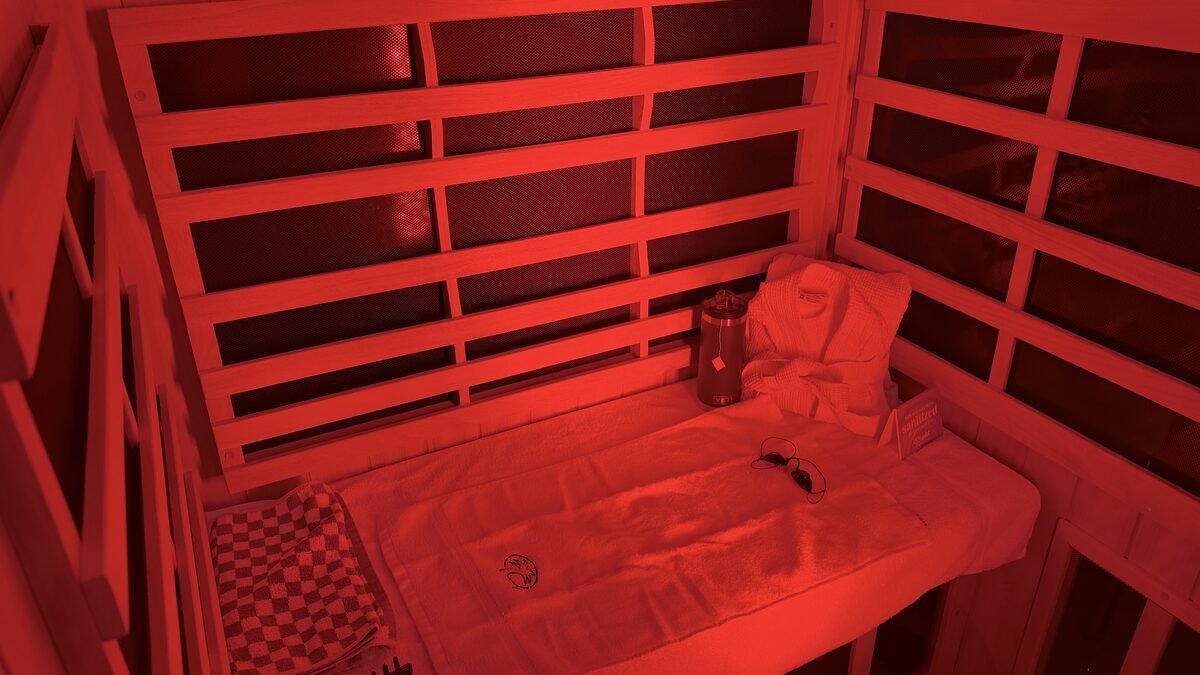
Quick Look: My Session Settings
| Session length | 40 minutes, every time |
| Temperature I set | 137°F from the start of the session |
| What the panel goes up to | 175°F, which I have no reason to use |
| How the time is set | I say the number at check in and it loads into the booth automatically |
| Studio maximum | 40 minutes, so I cannot go longer even if I wanted to |
| Typical beginner range | 100 to 120°F, shorter sessions |
| Common ceiling for regulars | 130 to 140°F |
| How long I have been doing this | About six months |
How long in a red light sauna is actually enough
The honest range that most guidance lands on is 20 to 45 minutes, with about 30 minutes treated as a solid default once you have adjusted to the heat. Under 20 minutes and you are mostly just warming up. Past 45 and you are adding risk without adding much.
I sit at the top of that range because I can, not because 40 is magic. If my studio capped sessions at 30, I would do 30 and I doubt I would notice a difference. The consistency matters far more than the exact number.
What I would say to anyone starting out is this. Pick a length you will actually do four or five times a week, not the longest one you can white knuckle through once. Twenty minutes you keep beats forty minutes you quit.
Why my studio caps it at 40 minutes
The booking system at my studio works in a way I have not seen written about anywhere. When you check in, you tell them how long you want, and that number loads straight into the booth. The timer is already running on the panel when you walk in. You do not set anything yourself.
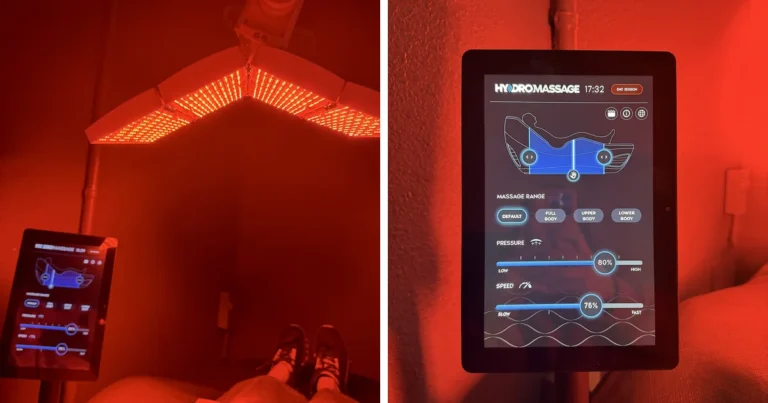
Forty minutes is their maximum. You can ask for less, and the panel will take it, but you cannot go over. At first that annoyed me a little. Now I think it is a good design, because it takes the decision away from you on the days you would push it too far. The face panel at the same place works the other way, with a fixed timer, and I walk through it in my 20-minute face red light routine. On the face panel days, I’m lying on a water massage bed at the same time, and I covered that in my hydromassage bed review.
Why I set the booth to 137 degrees
For most of the summer I set the panel high, somewhere near its 175 degree ceiling, and it never mattered. The booth would climb the whole forty minutes and still finish somewhere under 140. I assumed that was just how the machine behaved.
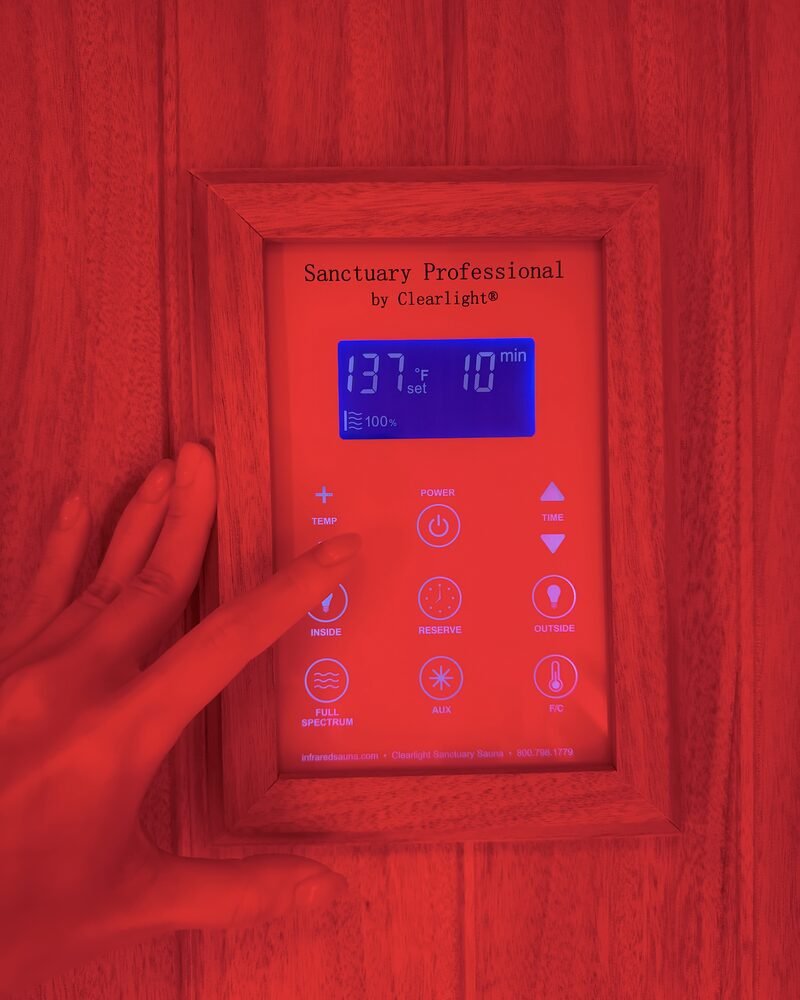
It was not the machine. It was the season. In the middle of summer almost nobody books a sauna, so the booth sat cold between appointments and spent most of my session just catching up. By the middle of September the weather broke, the studio got busy, and the booth is already warm when I walk in. Now it reaches the set number fast and holds it.
So I stopped setting it high. I set 137 from the start, which is where I actually wanted to be the whole time. The range people who use these regularly settle into is 130 to 140 degrees, described as a practical ceiling rather than a target to beat, and 137 sits right at the top of it.
This is the part I would tell anyone. The number on the panel is not the temperature your body is sitting in, and the gap between those two changes with how cold the room is, how busy the place is, and what time of year it is. Find out what your booth actually holds before you decide your setting, and check again when the season turns.
What 40 minutes actually feels like
Nobody describes this part, so here is the honest version, broken into ten minute blocks.
- Minutes 0 to 10. Nothing much. It feels warm and pleasant and you wonder if the thing is on. Almost no sweat yet. This is normal for infrared, because it is heating you rather than the air.
- Minutes 10 to 20. The first real sweat shows up, usually on my chest and back first. This is where it starts to feel like it is doing something.
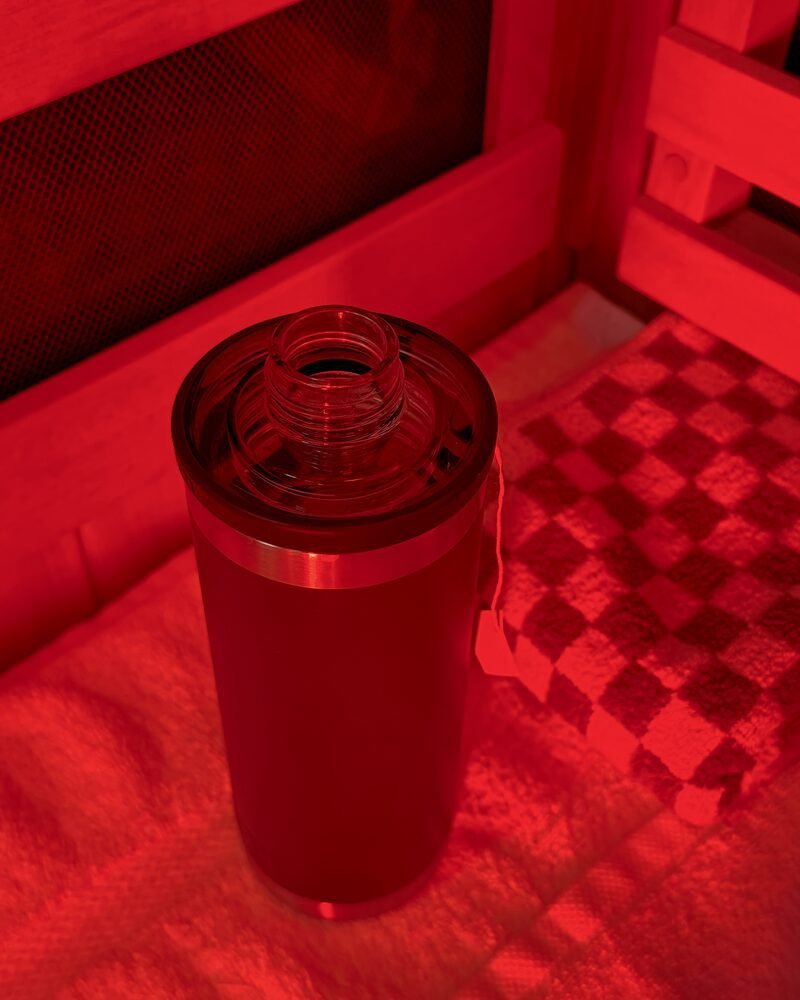
- Minutes 20 to 30. Fully sweating now. This is the honest middle stretch and the part where having water in there with me matters.
- Minutes 30 to 40. I am watching the clock, and I will not pretend otherwise. The last ten minutes are the ones you earn.
If you are in your first few sessions and you barely sweat at all, do not conclude that it is broken or that you are doing it wrong. That is one of the most common things new users report, and it changes as you go more often.
The days I cut it short
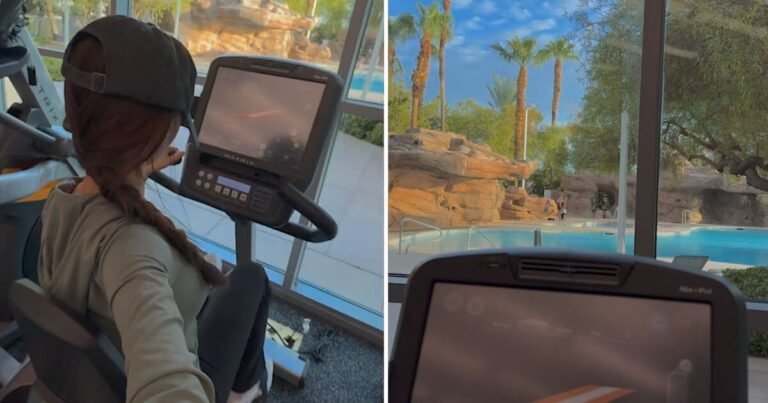
I do not finish all forty every single time, and I think that matters more than hitting the number. I get out early when I feel lightheaded, when my heart rate feels higher than the effort should justify, or when I simply did not sleep well the night before and the heat is landing harder than usual. Knowing what my heart rate normally does on an easy morning helps me tell the difference, and I got that baseline from my easy zone 2 rides on the stationary bike.
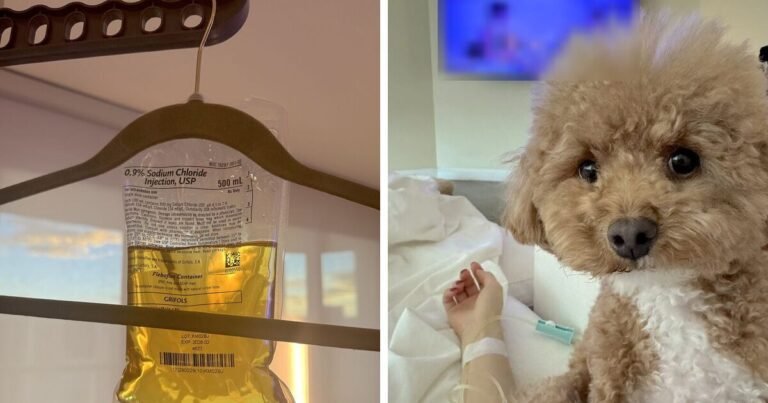
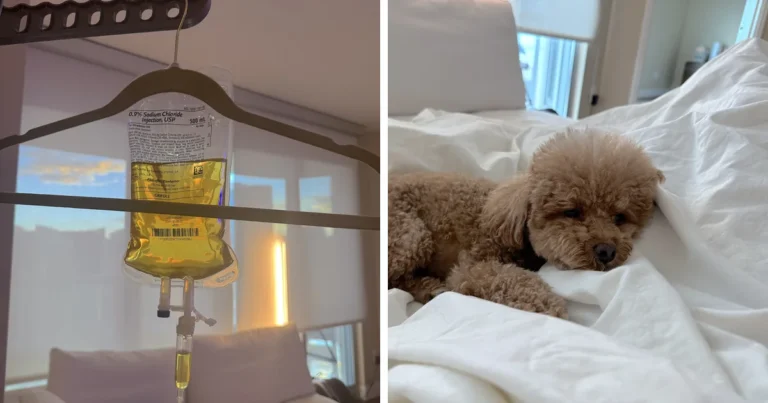
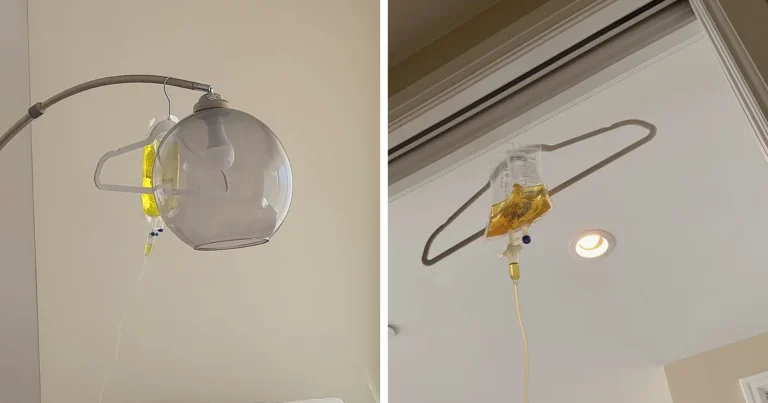
The timer is a plan, not a contract. Nothing good comes from sitting through the last eight minutes while feeling foggy, and the session still counts if you leave at 32. I learned the same lesson sitting on my couch through a six-hour vitamin drip, and I wrote up how long an IV drip takes and why mine ran so long.
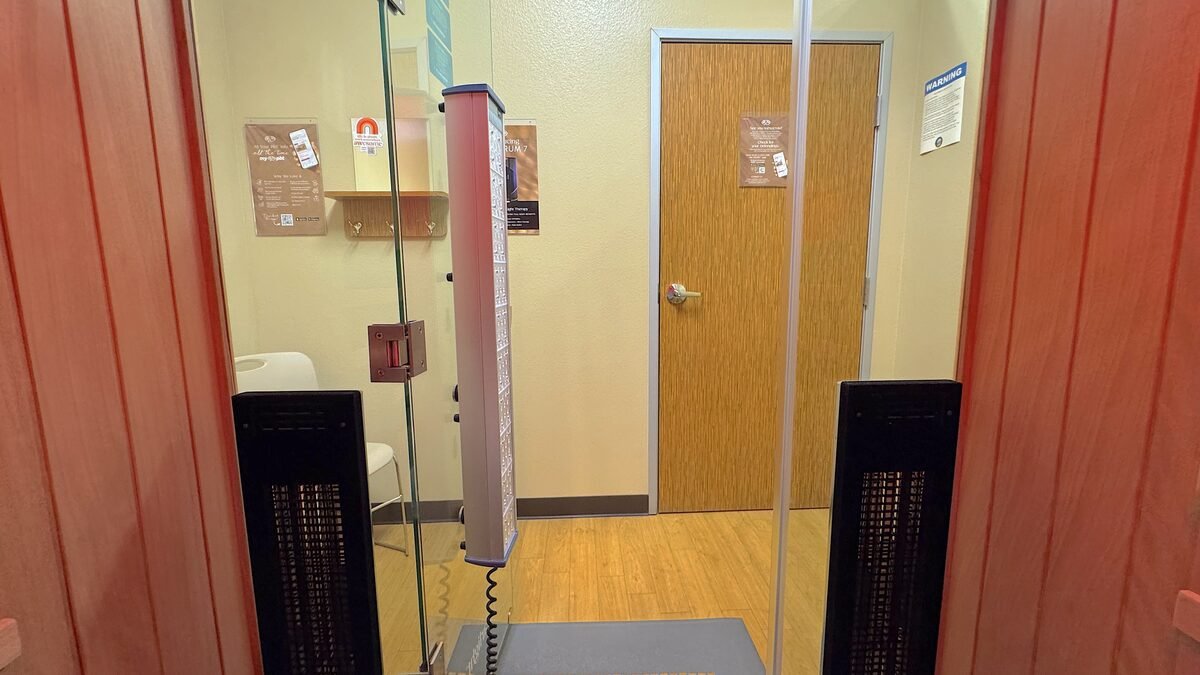
One more thing that is easy to get wrong. How you leave matters as much as how long you stayed. Walking straight out of a forty minute session into your day is how people end up dizzy in a parking lot. I cool down on a schedule now, and it is a whole routine of its own. Here is my 20-minute sauna cooldown routine, step by step. Drinking is part of that too, and I wrote down how much water to drink after sauna sessions in actual ounces.
If you are figuring out your own number
Start at 100 to 120 degrees and 15 to 20 minutes. Add five minutes at a time, not fifteen. Let your body tell you when the current length has become easy before you extend it, and stop adding once you reach something you can repeat without dreading it. Where you put the session in your day matters too. Mine sits at the end of my morning wellness routine, after the dog walk and the bike, so I am already a little warm before I even get in.
I am not a doctor and this is my own routine, not medical advice. If you are pregnant, have a heart condition, take blood pressure medication, or have any reason to think heat might be a problem for you, talk to your doctor before you start. And regardless of all of that, if you feel dizzy, nauseated or foggy in there, get out. The timer does not know how you feel.
Frequently Asked Questions
The two things worth taking from this: the number on the panel is not the number your body is sitting in, and that gap moves with the season, so check it again when the weather turns. And a session you repeat four times a week at 25 minutes will do more for you than a heroic 45 minute session you do twice and abandon.
That next post is up now. I went back and forth for months on whether to do a sauna in the morning or at night, and I wrote down the very unglamorous reason mornings finally won. If your booth behaves differently from mine, or if yours also changed once the weather cooled, I would like to hear about it. Leave it in the comments.
Save this for later 📌
Starting red light sauna sessions? Save this pin so you remember the time and temperature that worked for me.