Possible Love Parents Guide: My 8.5/10 Review as a Korean Viewer (No Spoilers)

I watched Possible Love on Netflix the night it came out, and it’s an 8.5 out of 10 from me. This Possible Love parents guide covers everything I’d want to know before pressing play: the nudity and sex scenes, the violence, the language, the age I’d pick for a teenager, and how long it really runs.
Here’s the short version. It’s rated R, there isn’t a single jump scare, and I didn’t notice any animals at all. The parts parents will want to hear about are a beach scene with full nudity, one short sex scene, and flashbacks of police beating striking workers. I go through each one below, plus the real 2009 strike the story comes from and a few Korean details that English subtitles can’t fully carry.
Quick note: this review is spoiler free. I don’t give away any twists or how it ends.

| Release date | November 6, 2026 on Netflix (in select US theaters since October 23) |
| Runtime | 2 hr 44 min officially. My Netflix app showed 2 hr 46 min, and the end credits start around the 2:39 mark |
| Rating | R (language, some sexuality and nudity) |
| Language | Korean, with English subtitles on Netflix |
| Genre | Slow-burn relationship drama inspired by a real labor strike |
| Scare level | 1 / 5 (heavy moments, no jump scares) |
| Animals | None that I noticed |
| Post-credits scene | No |
| Where to watch | Netflix |
| My verdict | 8.5 / 10, worth saving a whole evening for |
| Best for / Good to know | Best for fans of slow, character-driven dramas like Parasite and Burning. Good to know: it’s close to three hours, with full nudity and suicide themes, so I’d save it for 17 and up |
What Possible Love Is About (No Spoilers)
Possible Love is the first film in eight years from Lee Chang-dong, the Korean director behind Burning, Poetry and Secret Sunshine. He wrote it with Oh Jung-mi, his co-writer on Burning, and it’s a Netflix film.
The story follows two married couples. Ho-seok (Sul Kyung-gu) is a welder who lost his job after a failed strike, and he lives quietly with his wife Mi-ok (Jeon Do-yeon) and their young son Cheol. Ye-ji (Cho Yeo-jeong) is a well-off documentary filmmaker making a film about laid-off workers, and her husband Sang-woo (Zo In-sung) is an investor. Ye-ji wants Ho-seok at the center of her documentary, so she pulls the couple into her own life, with dinners together and a summer weekend at their vacation home by the beach. That’s as far as I’ll go.
The film opens with one line on the screen, Thou shalt not covet, and by the end you’ll see why Lee put it there. It’s a slow, quiet story about desire, class and what a long fight with a big company does to a marriage.
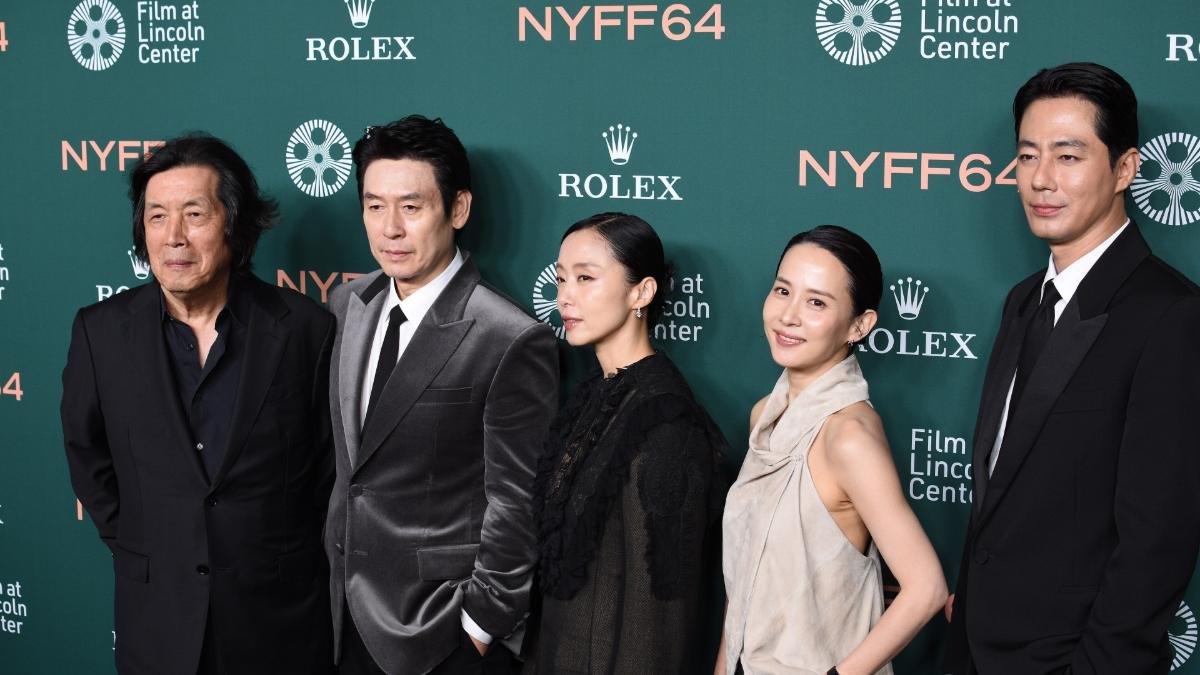
If the cast is new to you, here’s the quick version: Jeon Do-yeon won Best Actress at Cannes for Lee’s Secret Sunshine, Sul Kyung-gu starred in his Peppermint Candy and Oasis, Cho Yeo-jeong is the rich mom from Parasite, and Zo In-sung leads the Disney+ series Moving. I go through each of them, with photos, right below.

Meet the Cast of Possible Love (and Where You’ve Seen Them)
All four leads are big names in Korea, but American viewers may only know one or two of their films. Here’s each actor with the movies and shows that made them famous outside Korea, so you can put a face to every name before you press play.

Jeon Do-yeon as Mi-ok
Jeon Do-yeon is the actress Korean film fans call the queen of Cannes. She won Best Actress there for Lee’s Secret Sunshine (2007), the first Korean actor to do it, and went back to compete for the Palme d’Or with The Housemaid (2010). Netflix fans know her as the single-mom assassin in Kill Boksoon (2023), from the rom-com series Crash Course in Romance (2023) and from The Price of Confession (2025).
Photo: LR.127 / Wikimedia Commons, CC BY 4.0, cropped from the original

Sul Kyung-gu as Ho-seok
Sul Kyung-gu broke out in Lee’s Peppermint Candy (1999) and Oasis (2002), then became one of Korea’s busiest leading men with Silmido (2003), Memoir of a Murderer (2017) and The Merciless (2017), which played at Cannes. On Netflix you can find him in Kill Boksoon (2023), right alongside Jeon Do-yeon, and in the political series The Whirlwind (2024).
Photo: LR.127 / Wikimedia Commons, CC BY 4.0, cropped from the original

Cho Yeo-jeong as Ye-ji
Most Americans know Cho Yeo-jeong as Mrs. Park, the sweet, trusting rich mom in Parasite (2019), whose cast won the SAG Award for best ensemble. Before that she led the period films The Servant (2010) and The Concubine (2012), and more recently the thriller Hidden Face (2024). Here she plays almost the opposite of Mrs. Park: the one holding the camera.
Photo: LR.127 / Wikimedia Commons, CC BY 4.0, cropped from the original

Zo In-sung as Sang-woo
Disney+ subscribers know Zo In-sung as Kim Doo-shik, the flying dad in the superhero series Moving (2023). His films include A Frozen Flower (2008), The King (2017), The Great Battle (2018), Escape from Mogadishu (2021) and Smugglers (2023), and he’s also in Hope, another 2026 Korean film I reviewed.
Photo: LR.127 / Wikimedia Commons, CC BY 4.0, cropped from the original
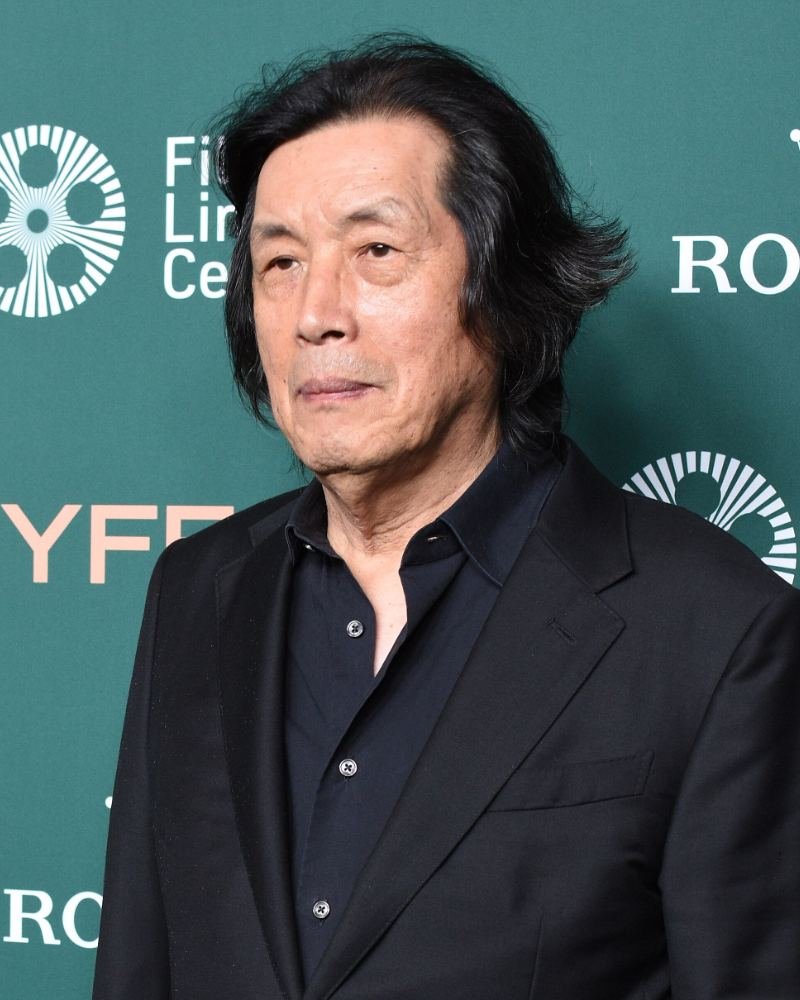
Director Lee Chang-dong
Lee Chang-dong was a novelist before he made films, and he even served as Korea’s minister of culture. Outside Korea he’s best known for Burning (2018), the first Korean film to make the Oscar shortlist for Best Foreign Language Film, plus Poetry (2010), which won Best Screenplay at Cannes, Secret Sunshine (2007), Oasis (2002) and Peppermint Candy (1999).
Photo: LR.127 / Wikimedia Commons, CC BY 4.0, cropped from the original
Who’s Who in Possible Love: A Quick Name Guide
Korean names can blur together when you’re reading subtitles, so here’s the cheat sheet I’d hand a friend. In Korea the family name comes first, so Choi Ho-seok is Ho-seok from the Choi family.
- Ho-seok (Sul Kyung-gu): the laid-off welder. Quiet, and carrying a lot he doesn’t say out loud.
- Mi-ok (Jeon Do-yeon): Ho-seok’s wife, who holds the family together and still knows how to have fun at karaoke.
- Cheol: their young son.
- Ye-ji (Cho Yeo-jeong): the documentary filmmaker who wants to tell Ho-seok’s story. Her family name is Lee, just like the director’s.
- Sang-woo (Zo In-sung): Ye-ji’s husband, an investor with a very comfortable life.
If you only remember one thing, remember this: one couple lost everything in the strike, and the other couple has never had to worry about money. Almost every scene plays with that gap.
The Real 2009 Strike Behind Possible Love
Possible Love isn’t a true story, but it’s built on one. Lee Chang-dong has said the idea came from a mass layoff, a strike and a violent police crackdown at a big Korean company more than a decade ago. He never names the company in the film, but anyone who grew up in Korea will think of the same thing I did: Ssangyong Motor in 2009.
That year, the carmaker announced it would lay off a big share of its workers, and the workers occupied the factory in Pyeongtaek, south of Seoul, for 77 days. Riot police finally broke up the strike, and the images of officers beating workers on the factory roof were all over the Korean news. In the movie, the company becomes a made-up one called SP Heavy Industries, and Korean outlets report that the strike scenes even use a little real footage from a 2009 documentary about it.

The heaviest part of the real story came afterward. Around 30 former workers and family members died in the years that followed, many of them by suicide. That history is why Ho-seok carries so much weight in every scene, even when he barely says a word.
It also helps to know why layoffs land so hard in Korea. For a long time, a job at a big company was seen as a job for life, and your coworkers were basically your second family. After the 1997 Asian financial crisis, Korea changed its labor law in 1998 to make it easier for companies to lay people off for business reasons, and Ssangyong became one of the most painful examples of what that looked like. So in the film, losing the job isn’t just losing a paycheck. It’s losing your place in the world.
Here’s a connection a lot of American viewers won’t know: the same strike shaped Squid Game. Creator Hwang Dong-hyuk has said Gi-hun’s backstory, the laid-off worker from Dragon Motor who gets beaten during a police crackdown, grew out of what happened at Ssangyong. So if Squid Game was your first look at this part of Korean history, Possible Love is the grown-up, quiet version of it.
Possible Love Parents Guide: Nudity, Violence and Language
Possible Love is rated R for language, some sexuality and nudity. Other countries landed in a similar spot: it’s 19 and up in Korea, 15 in the UK, 14A in parts of Canada and M in Australia. Here’s what that means scene by scene, without spoilers.
Sex and Nudity
This is the big one for parents. There’s a beach scene where a woman takes off her clothes and goes skinny-dipping, with her breasts and backside clearly shown, and a man’s bare backside too. Later there’s a short sex scene that’s mostly in shadow, but it’s obvious what’s happening. IMDb’s parents guide and Plugged In both describe these two scenes, and neither shows genitals.
Jeon Do-yeon talked about the beach scene in Korean interviews. She said the director explained it to her as Mi-ok pushing back with her whole body against everything that’s being taken from her family, so it’s a meaningful moment, not a throwaway one. It’s still full nudity, though, so keep the remote close if anyone younger is in the room.
There’s also one uncomfortable scene where a man keeps pushing his advances on a woman who keeps turning him down. It doesn’t turn into an assault, but it’s tense to watch.
Violence
Most of the movie is quiet. The violence comes in the strike flashbacks, where riot police kick, tackle and hit workers with batons and shields, and some of the men are left bloody on the ground. These scenes are short, but they feel real because they’re based on what really happened. Outside of that, there’s a brief scuffle and not much else.
Heavy Themes: Depression and Suicide
This is the part I’d want every parent to know about. The film opens at a funeral for one of Ho-seok’s former coworkers, and depression, trauma and suicidal thoughts come up in conversations, including a panic attack while someone remembers the crackdown. Nothing is shown in a graphic way, but the weight of it runs through the whole movie.
If this topic hits close to home for you or someone you love, you can call or text 988 in the US to reach the Suicide and Crisis Lifeline.
Language
To my ear, the Korean swearing sounds like the way grown-ups really talk when they’re tired and frustrated, nothing that shocked me. The English subtitles turn it into quite a few f-words, though. Plugged In counted 11, plus 5 uses of the s-word and 5 of the b-word.
Drinking and Smoking
Soju, beer and wine show up constantly, several characters get drunk, and people smoke a lot. Ho-seok’s drinking is part of his story, and at one point a man looks ready to drive after drinking.
My Call: 17 and Up
I’d save Possible Love for 17 and up. Common Sense Media says 15+, but between the full nudity, the sex scene and the suicide themes, I’d rather wait. And honestly, a nearly three-hour quiet drama is a tough sell for most teens anyway. This one is a grown-up movie night.
If You Watch With an Older Teen: 4 Things to Talk About
- Is it okay to film someone’s pain? Ye-ji is kind to Mi-ok, but she also wants great footage. Where’s the line between telling someone’s story and using it?
- What does a job mean to a person? Ho-seok lost more than a paycheck. Ask what work gives people besides money.
- Two families, two lives. What do the couples want from each other, and why is that so hard to say out loud?
- Getting help after something terrible. Ho-seok doesn’t want therapy. Talk about why people avoid help, and what you’d do if a friend was struggling.
Is Possible Love Scary?
Not in a horror way at all. I didn’t jump once, so it’s a 1 out of 5 on my scare scale: some heavy, tense moments, but no jump scares. The most intense part is how real the strike flashbacks feel. If you love thrillers but stay far away from horror like me, you can watch this one with the lights off.
Is Possible Love Sad?
Yes, it’s an emotional movie, and I’d plan for a heavy night. It deals with grief, depression and what a long fight does to a family, and the strike flashbacks are hard to sit through. I won’t say anything about how it ends.
It isn’t sad from start to finish, though. There are warm, funny moments too, like the karaoke and the soju nights, and those are the scenes that make the characters feel like people you know. If you’re in a fragile place, I’d save it for a night when you have the energy for it.
Is Possible Love a Romance?
Not in the usual Netflix rom-com way. The title might make you expect a love story, but it’s really about two marriages, desire and what people want from each other’s lives. Netflix itself describes it as understated, intimate and emotional, with marriage and a midlife crisis at the center. There’s attraction between the two couples, but it’s slow and complicated, not swoony.
If you’re in the mood for something romantic and light, this isn’t that. If you like grown-up stories about marriage where people are messy and real, it’s right up your alley.
Dog Scene Guide
I always check this for my fellow dog people. I didn’t notice a single dog or cat in Possible Love, and none of the parents guides I read mention any animal scenes either. So there’s nothing to brace yourself for on that front.
If you came here as a dog parent, a long, quiet movie night is a good time to have something warm cooking. Here’s how I make homemade dog food for my senior dog, who’s 14 now.
Korean Details the Subtitles Can’t Fully Explain
This is the part I most wanted to write. I grew up in Korea, so a few things in this movie landed differently for me. None of these are spoilers, and knowing them makes the story much easier to follow.
- “The living” and “the dead.” Ho-seok and the other fired workers call themselves the dead, and the coworkers who kept their jobs the living. That isn’t just a dramatic line. It’s what laid-off Ssangyong workers really called the two sides in 2009, so in Korea the phrase hits hard.
- Two bows at a funeral. At Korean funerals, mourners bow twice in front of a framed photo of the person who passed. It’s a sign of respect, not worship, and families usually host guests with food and drinks at the funeral hall.
- Soju nights. Drinking soju together is how a lot of Koreans get close, and drinks with coworkers after work are a big deal. Back when he had his job, Ho-seok even built a little patio so he and his coworkers could drink together after work. So when Mi-ok and Ye-ji bond over soju and Korean barbecue, that scene says a lot about how close they’ve gotten.
- Mi-ok’s karaoke song. Her go-to song is All I Know Is Love, a classic Sim Soo-bong ballad that Korean moms and aunties of a certain age know by heart. The title alone tells you a lot about her.
- “Reds.” In Korea, striking workers have often been smeared as ppalgaengi, or reds, an old Cold War insult that’s much heavier than it sounds in English. Korean reviewers point out how that label follows laid-off workers in the film.
- The title. In Korean, the movie is called 가능한 사랑 (ganeunghan sarang). It does mean possible love, but 가능한 is also the word in 가능한 한, meaning as much as possible, so to my ear the title also hints at a love that goes as far as it can and no further.

Is Possible Love Worth Watching? Why I Gave It an 8.5 out of 10
Jeon Do-yeon is the heart of this movie. Mi-ok never makes a big show of being sad, but you can feel it in every scene, and she still finds small reasons to smile. Critics are already talking about her as an Oscar contender, and I completely get why.

All four actors are wonderful together. The scenes where the two couples eat, drink and talk feel so natural that I kept forgetting I was watching actors. Lee has said he doesn’t like rehearsals because he wants the acting to stay spontaneous, and you can really feel it here.
I also loved how carefully it treats the real strike. The scenes where former workers talk about what the strike cost them are filmed in long, unbroken takes, and they stayed with me after the movie ended.
What to Know Before You Watch Possible Love
- It’s long. It’s 2 hours 44 minutes officially, my Netflix app showed 2 hours 46 minutes, and the end credits start rolling around the 2:39 mark. Plan a whole evening, or split it over two nights.
- It’s slow on purpose. The story takes its time, and the big moments come late. If you go in expecting a thriller, it’ll feel quiet. If you go in expecting a character drama, it pays off.
- Read up on the 2009 strike first. Ten minutes on the Ssangyong Motor strike makes the first half much easier to follow. I always do a little homework before a movie, and this is one where it really helps.
- Watch it in Korean with subtitles. So much of the acting lives in the voices, especially Jeon Do-yeon’s, so I’d keep the original audio on.
- It’s a heavy watch. Depression and suicide come up, so pick a night when you’re in the mood for something thoughtful.
Does Possible Love Have a Post-Credits Scene?
No. There’s nothing after the credits, so once the cast names start rolling around 2:39 on Netflix, you’re done. No need to sit through the whole crawl.
What Critics Are Saying About Possible Love
Critics love this one. As of November 7, 2026, it has a 98% Tomatometer from 92 reviews and an 86% Popcornmeter on Rotten Tomatoes, plus a Metascore of 95 from 32 reviews on Metacritic.
It won the Silver Lion Grand Jury Prize at the Venice Film Festival in September, and South Korea picked it as its entry for Best International Feature at the 99th Academy Awards next March. It’s also nominated at this year’s Gotham Awards for Best International Feature, Outstanding Lead Performance for Jeon Do-yeon and Best Screenplay, with the ceremony on November 30. The Oscar shortlist for international films comes out on December 15, and I’ll update this post when it does. NPR’s Justin Chang said it has four of the best performances of the year, and that’s the part I’d agree with most.
Fun Facts I Read Up On Before Watching
- The filmmaker shares his last name. Lee told Dazed he gave Ye-ji the surname Lee on purpose, which makes her another Director Lee.
- It took more than ten years. Lee first tried to write about the 2009 strike long ago and set it aside. The documentary angle is what finally made the story work.
- A reunion 19 years later. Jeon Do-yeon became the first Korean actor to win Best Actress at Cannes with Lee’s Secret Sunshine in 2007, and this is their first film together since.
- It played theaters first. It opened in Korean theaters on September 23 and in select US theaters on October 23 before landing on Netflix worldwide on November 6.
- A big festival run. Before Netflix, it played Venice, Toronto, New York, San Sebastian, Zurich and Vancouver.
New to Lee Chang-dong? His 7 Films in Order
Lee has only made seven feature films in almost 30 years, which is part of why this one is such a big deal. He was a novelist before he became a director, and he even served as Korea’s minister of culture in 2003 and 2004. If Possible Love is your first, here’s the full list for your watch-next homework:
- Green Fish (1997): his first film, about a young man who falls in with a gangster after the army.
- Peppermint Candy (1999): one man’s life told backward over 20 years of Korean history, starring Sul Kyung-gu.
- Oasis (2002): an unlikely love story between two outsiders, again with Sul Kyung-gu.
- Secret Sunshine (2007): the film that won Jeon Do-yeon Best Actress at Cannes.
- Poetry (2010): an older woman takes a poetry class while facing hard news. It won Best Screenplay at Cannes.
- Burning (2018): a slow-burn mystery based on a Haruki Murakami short story, with Yoo Ah-in and Steven Yeun.
- Possible Love (2026): his first film in eight years, and his first with Netflix.
What to Watch Next If You Liked Possible Love
If you want to stay in that thoughtful mood, here are three movies I’ve already reviewed that hit a similar spot:
- Klara and the Sun: a quiet, emotional film based on Kazuo Ishiguro’s novel, about an Artificial Friend and the family she joins.
- Last Breath: another story built on real events, the true story of a 2012 North Sea dive, and only 93 minutes.
- Black Bag: a sharp spy thriller that’s really about a marriage, if the married-couple side of Possible Love is what pulled you in.
Who Should Watch Possible Love
- Fans of Parasite, Burning and slow, thoughtful Korean films.
- Anyone who loves a big acting performance. Jeon Do-yeon fans especially.
- Viewers curious about real Korean life beyond K-dramas: work, money, marriage and friendship.
- Squid Game fans who want the real story behind Gi-hun’s backstory.
- Grown-ups, 17 and up, with a free evening and a cozy couch.
In the mood for something faster? My Black Doves season 2 parents guide covers a British spy series that just landed on Netflix too.
Watch the Possible Love Trailer
Here’s the final trailer from Netflix. It sets the mood without giving the story away.
And here’s Netflix’s first official trailer from August, if you want one more look at the four of them together.
Frequently Asked Questions
If you’re deciding whether to start it tonight, here’s my best tip: give it a whole evening, keep the Korean audio and subtitles on, and spend ten minutes reading about the 2009 Ssangyong strike first. And if you’re thinking about watching with a teen, the beach scene and the suicide themes are the two things to know about, so I’d save it for 17 and up.
Have you watched Possible Love yet? Tell me in the comments which of the four characters you can’t stop thinking about. And if you’d like another quiet, emotional pick for your next movie night, here’s my Klara and the Sun review.
About me: I’m Emily. My AMC A-List lets me see up to four movies a week, and on the nights I stay home, I’m on the couch with Netflix, Hulu or Disney+. I write each review the same day I watch. Thrillers yes, horror never. See all my Movie & TV Nights reviews.
Got a dog at home too? Here’s how I cook sweet potato for my dogs, and the signs that told me my senior dog needed a ramp. And every movie and show I’ve reviewed this year is in My 2026 Movie Log.