How Long Does an IV Drip Take? My 90-Minute vs 6-Hour Drips
How long does an IV drip take? I’ve had two at home now, and my honest answer is that it depends, in the most literal way possible. The first one took about an hour and a half. The second one took about six hours. Same couch, same husband next to me, same dogs piled around us, mostly the same vitamins, and a completely different afternoon.
The difference wasn’t random. One thing got added to the bag the second time, and one thing happened in the first part of the drip that made us slow everything way down. If you’re trying to figure out how much of your day to block off, those two details matter more than any number on a menu.
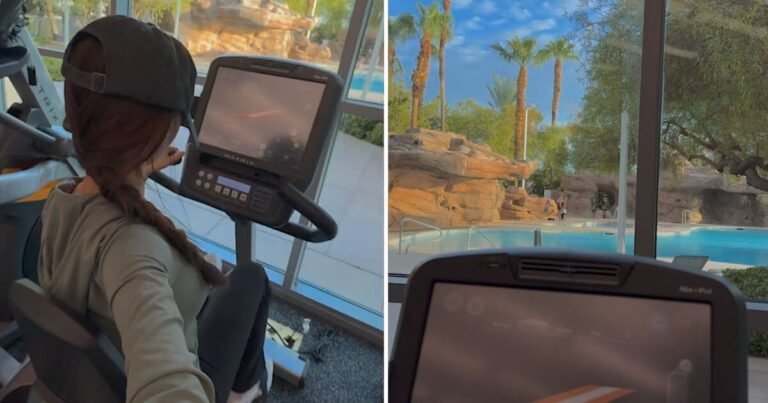
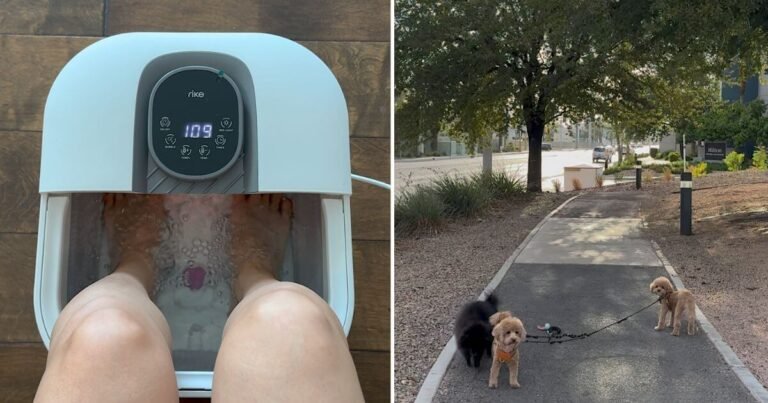
A quick note before we get into it. A registered nurse came to our place to set up both drips. I’m not a doctor or a nurse, and nothing here is medical advice. This is just what my phone’s clock said, plus what I learned from watching one bag drip for an entire afternoon. IV drips aren’t an everyday thing for me. My regular routine is much more boring, mostly walking, a stationary bike and the sauna I wrote about in my wellness morning routine.
Quick Look: My IV Drip Times
| Typical vitamin or hydration drip (IV menus) | 30 to 60 minutes once it’s running |
| Typical NAD+ drip (IV menus) | About 2 to 4 hours |
| My drip, vitamin cocktail only (August) | About 1.5 hours |
| My drip, cocktail + NAD+ in one bag (September) | About 6 hours, 1:11 PM to 6:59 PM |
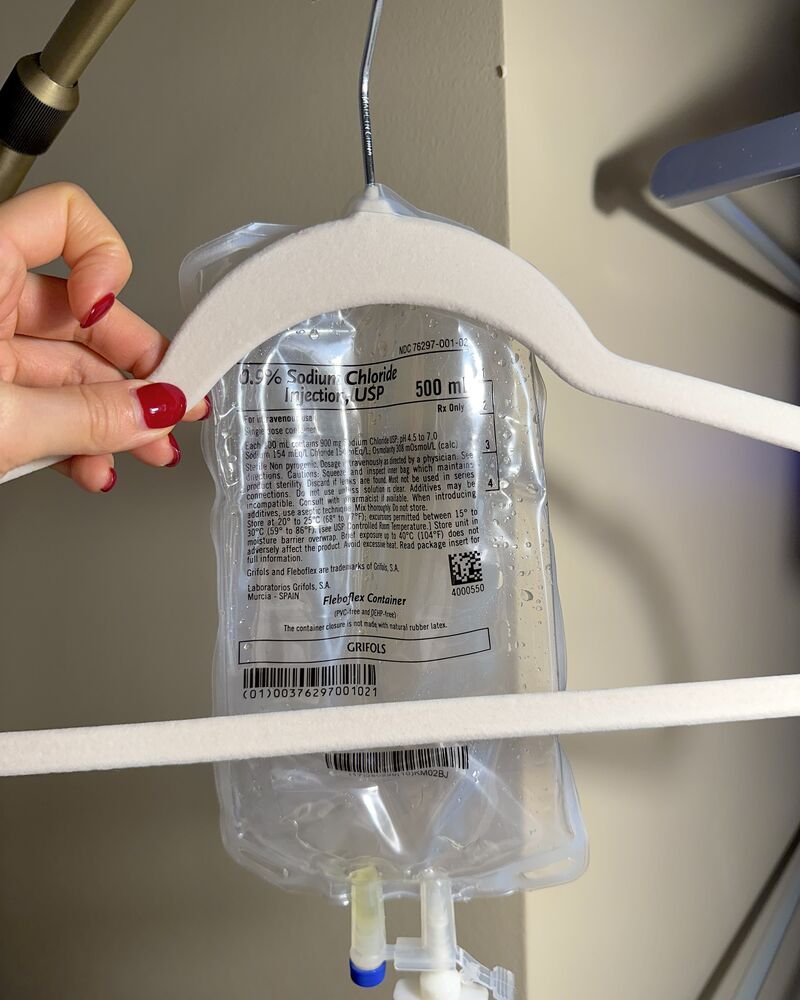
| Bag size on my September drip | 500 mL |
| Biggest reason mine ran long | NAD+ mixed into the whole bag, slowed down after my chest felt tight |
| Empty bag to needle out | About 10 minutes |
| What sets the speed | A small roller clamp on the tubing, set by the nurse |
| What I’d block off | A whole afternoon if NAD+ is in the bag |
How long does an IV drip take, the short answer
For a standard vitamin or hydration drip, most of the IV menus and FAQ pages I read list somewhere between 30 and 60 minutes once the drip is actually running. NAD+ is the big exception. Those usually get listed at around 2 to 4 hours, because it’s normally given slowly on purpose.
Here’s the part those menus don’t really spell out. That number is drip time only. It doesn’t include the nurse setting up, finding a vein, taping everything down and taking it all out at the end. And it assumes the drip runs at the speed they planned. Mine didn’t, and that’s where most of my extra hours came from.
So my honest short answer is this. Plan on about an hour for a simple drip, closer to two hours if you want breathing room, and the whole afternoon if NAD+ is anywhere in the bag. The rest of this post is the why, with real timestamps.
My two IV drips, side by side
Both of mine were at home on our couch, both times my husband did his right next to me, and both times the dogs were all over us. The big change between them was what went into the bag.
| August | September | |
|---|---|---|
| What was in the bag | A vitamin cocktail | A vitamin cocktail plus NAD+, all mixed into one 500 mL bag |
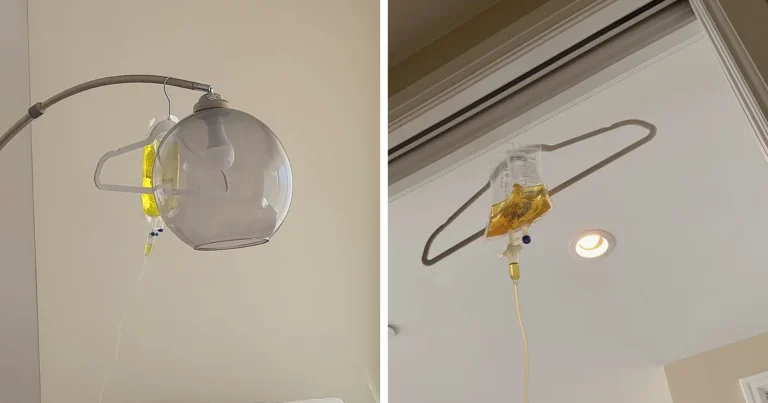
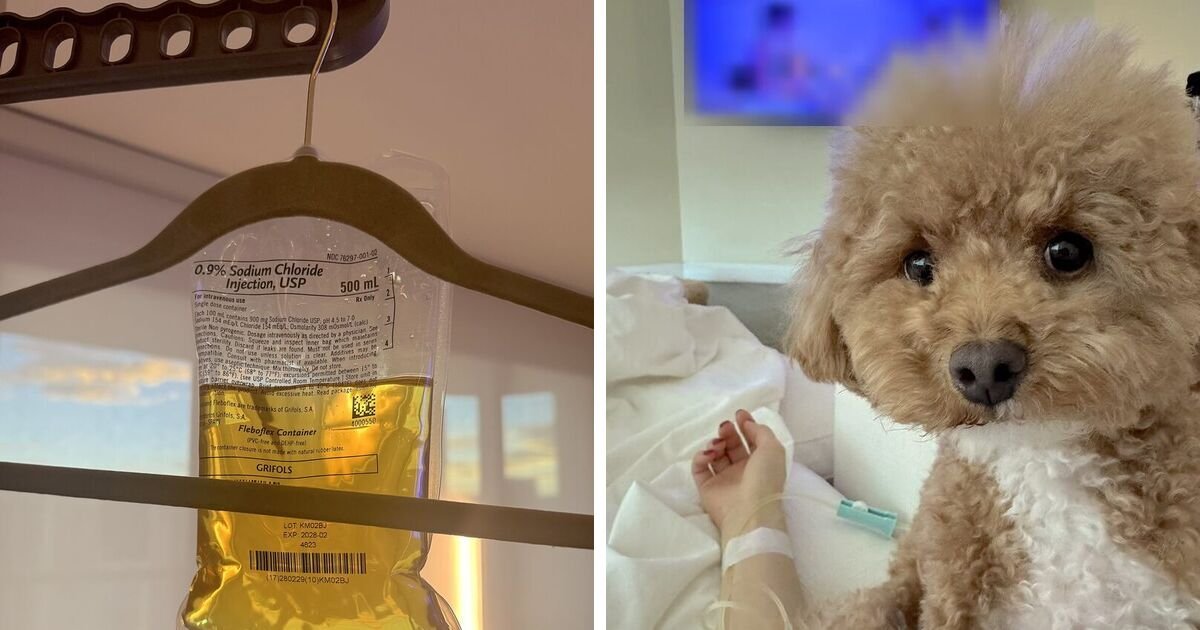
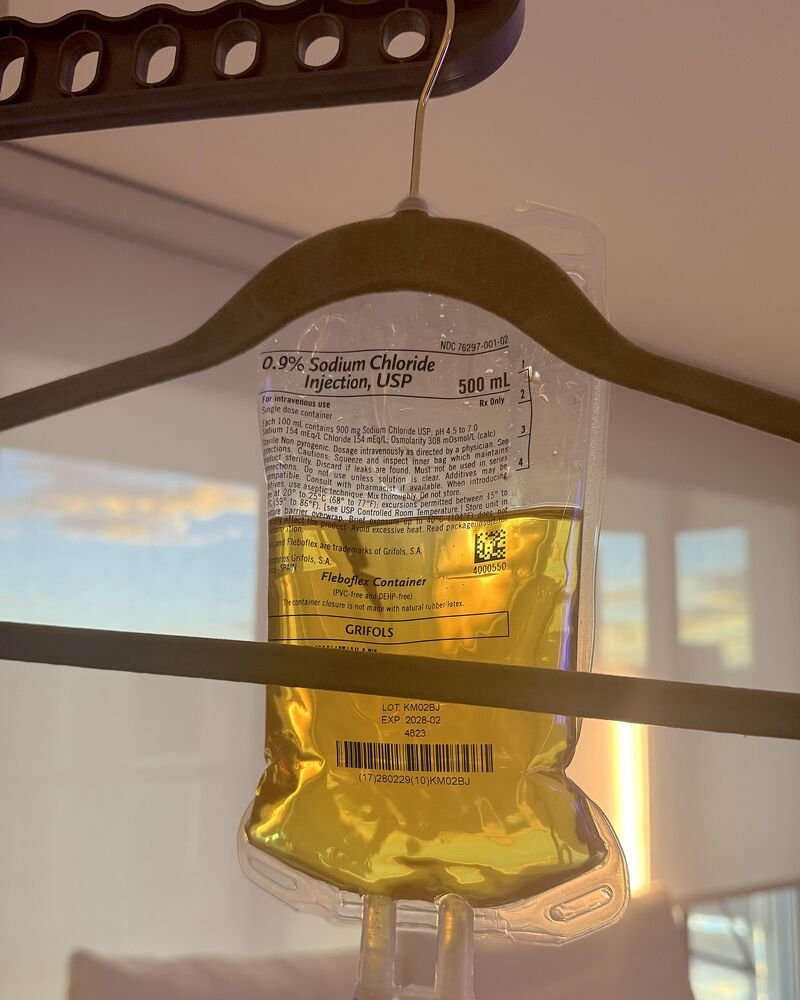
| Where the bag hung | A floor lamp next to the couch | A clothes hanger hooked onto our drying rack |
| Drip time | About 1.5 hours | About 6 hours |
| Speed | Normal the whole way | Fast at first, then slowed way down after my chest felt tight |
| Where I was | On the couch with my husband and the dogs | On the couch with my husband and the dogs, TV on |
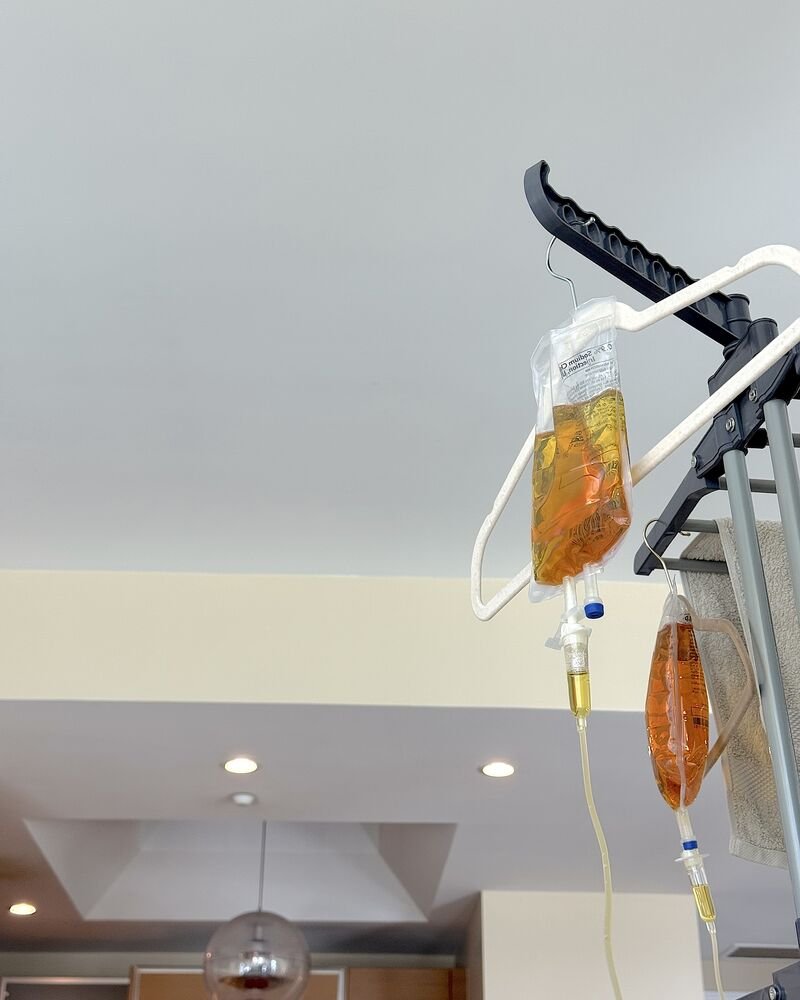
The September cocktail was the usual vitamin lineup you see on most IV menus: B12, a B complex, a B1 vitamin, vitamin C, alpha lipoic acid, glutathione and a multivitamin. Then NAD+ went into the very same bag, and that one ingredient changed the whole afternoon. I broke down every ingredient, including why the bag came out bright yellow, in what is in an IV drip.
My six-hour IV drip, hour by hour
I took a lot of photos that day, mostly of the dogs if I’m being honest, so I can actually show you the timeline instead of guessing at it. These are the real timestamps from my phone.
| 1:11 PM | Line in, bag up. The tubing already had that orange vitamin color. |
| Early on | The drip was moving fast and my chest started to feel tight. We slowed it way down and the feeling went away. |
| 2:30 PM | Both bags hanging side by side on the drying rack, barely moving. |
| 2:30 to 6:30 PM | Slow and steady. Dogs, TV and a lot of lying very still. |
| 6:44 PM | Still going, one slow drop at a time in the drip chamber. |
| 6:59 PM | Bag empty. |
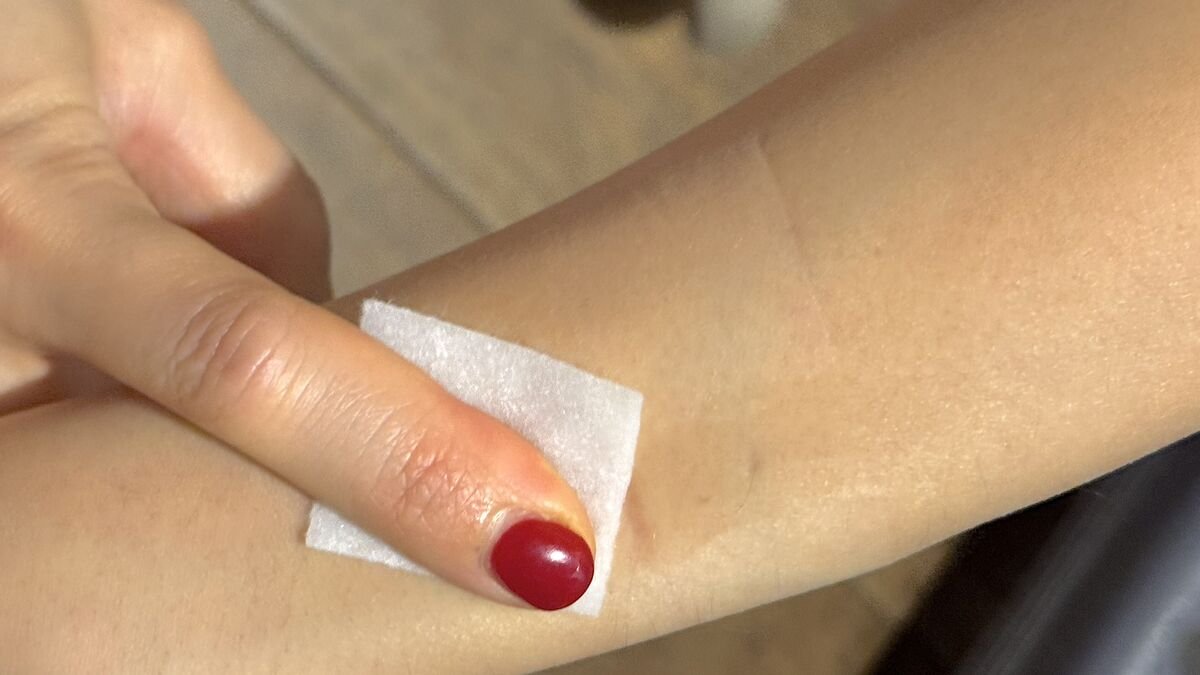
| 7:08 PM | Needle out, cotton pad pressed on. |
| 7:11 PM | First real bottle of water. |
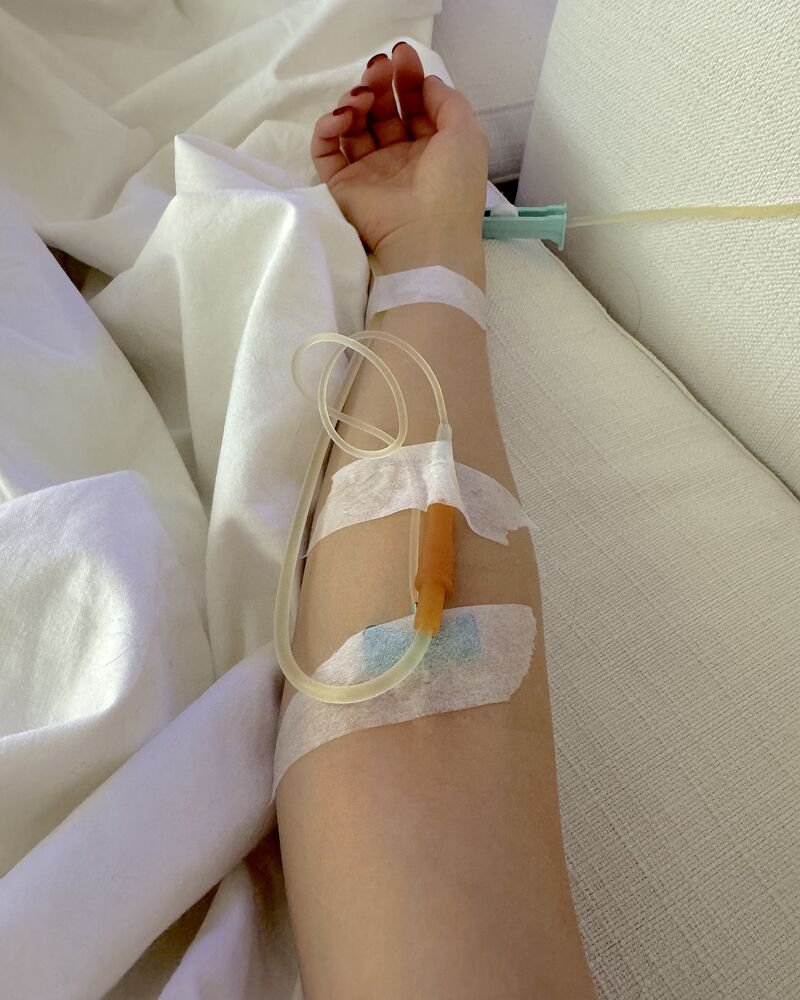
From line in to needle out, that’s just about six hours for one 500 mL bag. My husband’s bag was still going after mine was done, so his ran even longer.
Why mine took six hours
The honest answer is that it was partly the NAD+ and partly us being extra careful.
NAD+ has a reputation for being the slow one. If it goes in too quickly, some people feel chest tightness, pressure or a wave of discomfort, which is why providers usually run it slowly from the start. That’s exactly what happened to me. At first it went in like any normal drip, and then my chest started getting really tight. I’m not going to pretend I was calm about it. It scared me. We slowed it down, and the tightness went away almost right away. I was fine for the rest of the afternoon.
Here’s the catch. Because the NAD+ was mixed into the same bag as the vitamins, slowing it down slowed down everything. There was no quick vitamin part and slow NAD+ part. It was one bag at one speed the whole way through.
And then, once I felt fine, we pretty much left it there. I was comfortable, the dogs had settled in, and nobody was in a rush. Honestly, it probably didn’t need to stay that slow for the entire afternoon, and that’s the part I’d change next time.
For comparison, the NAD+ times I’ve seen on provider pages run anywhere from about 90 minutes to 4 hours, and several say it depends on how well you tolerate it. Six hours is on the long end, and I want to be upfront that a good chunk of that was our choice to keep things gentle.
What actually controls how fast an IV drips
Before this, I honestly thought an IV was just a bag and a needle. It turns out the timing comes down to a handful of pretty simple things.
- The bag size. More fluid takes longer at the same speed. Mine was a 500 mL bag.
- What’s in it. Some ingredients, NAD+ especially, are usually given slower.
- The drip speed. A small roller clamp on the tubing sets it. Roll it one way and the drops come faster, roll it the other way and they slow down.
- How you feel. If something feels off, the speed comes down. That’s what added hours to mine.
- Your veins. The Merck Manual’s page on IV vitamin therapy says infusion time depends partly on the size of a person’s veins, which honestly surprised me.
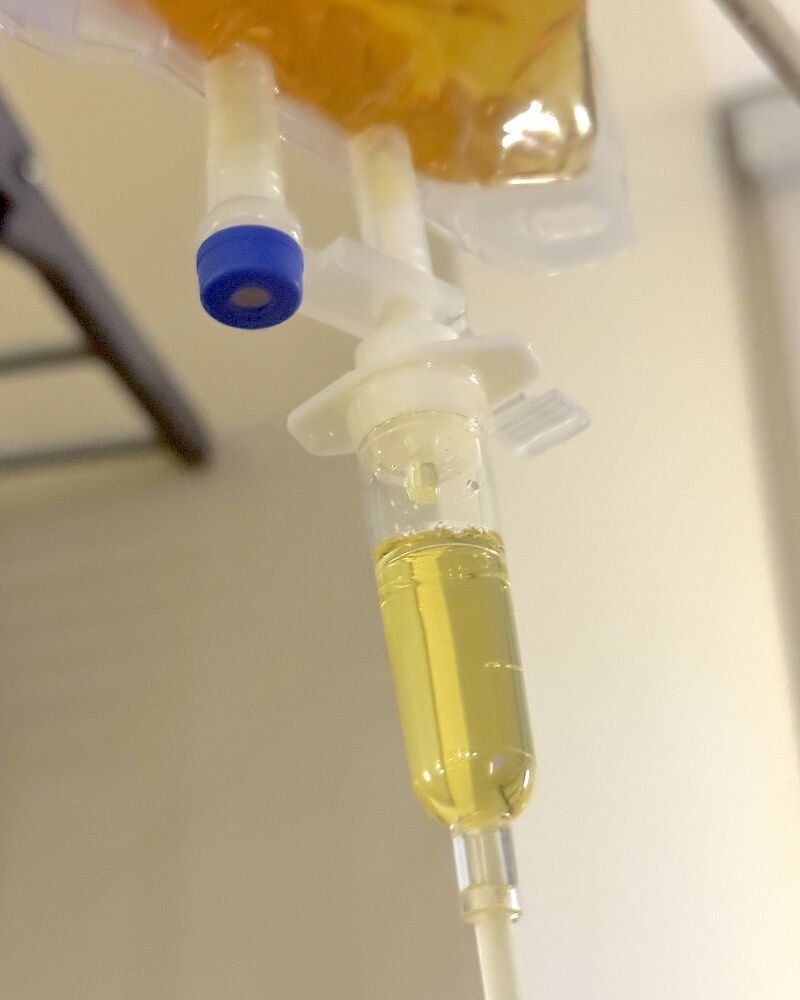
The little see-through chamber under the bag is where you can actually watch the speed. Every drop that falls is the drip rate in real life. At 6:44 that evening it was still one slow drop at a time, which tells you how gently we were running it.
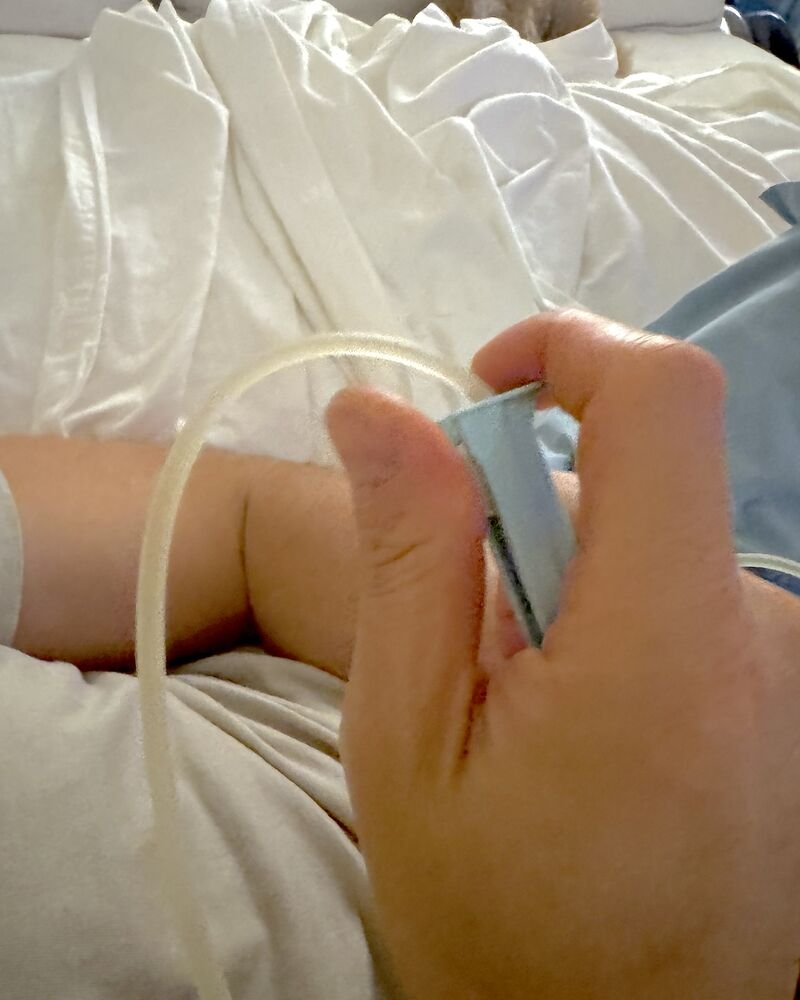
And this blue roller clamp is basically the speed dial. It looks easy to adjust, but the speed is set for a reason based on what’s in the bag and how you’re doing. If you want it faster or slower, ask your nurse instead of rolling it yourself.
What six hours on an IV drip actually looks like
Let me paint the picture, because six hours sounds worse than it felt. I was stretched out on the couch with the TV on and a pile of white blankets, my husband on his own drip a few feet away. The bag hung from a clothes hanger hooked onto our drying rack, which worked a lot better than you’d think.
The dogs figured out pretty quickly that I wasn’t going anywhere. One of our younger boys parked himself right next to my IV arm and basically didn’t leave. If you’ve got dogs, expect company, and keep an eye on the tubing, because a curious nose near the line is the last thing you want.

The one thing to think about ahead of time is the bathroom. Over six hours, you’re going to need it. We lifted the hanger off and carried the bag along, keeping it up higher than my arm the whole time so it kept flowing the right way.
A few things made the long version easier: a phone charger within reach, water on the side table, something to watch, and nothing else planned for the day. I’d also go to the bathroom right before it starts, which sounds obvious until you’re three hours in.
From empty bag to cotton ball
The end goes fast. My bag was empty at 6:59 PM. By 7:08 the needle was out and I was holding a cotton pad on the spot. So the removal part is about ten minutes, not something you need to plan around.
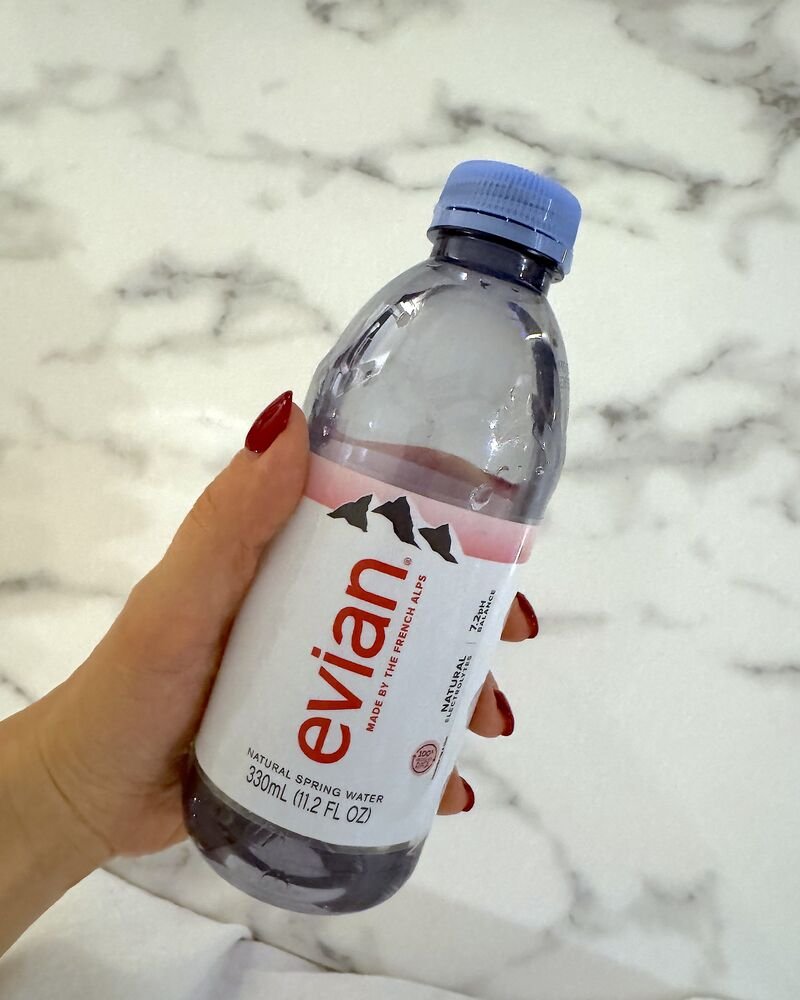
Then the first thing I wanted was water, which is funny considering I’d just had a whole bag of fluid. I had a bottle open by 7:11. I handle it the same way I do after a long sauna session, sipping steadily for a while instead of chugging it all at once.
Was the six-hour IV drip worth it?
This is the part I actually care about, so I’ll be as honest as I can, with the big caveat that I’m writing this about a day later.
That night I slept like a rock. I mean really, seriously deep sleep. I didn’t wake up once, which almost never happens for me, and when I got up the next morning I felt great. Zero tiredness. Not the slightly foggy, need-coffee-first kind of morning I’m used to.
Compared to the August drip with just the vitamin cocktail, it felt different, and I can’t fully put my finger on how yet. One great night of sleep after one drip is not proof of anything, so I’m going to keep paying attention and update this post if the difference holds up or fades.
Would I add NAD+ again? Yes. The six hours is genuinely inconvenient, and that’s the one thing I’d change about it. But it felt different enough from the cocktail alone that I’d rather fix the timing than skip it. Next time I’ll just plan the whole afternoon for it and ask about a middle speed once the start goes smoothly. I wrote about how the rest of that week went, sleep and all, in my NAD IV therapy experience.
What I’d do differently next time
- Ask about a middle speed. Once the tight feeling was gone, I’d ask whether we could bring the speed back up a little instead of leaving it at a crawl all afternoon.
- Ask whether NAD+ can go separately. If the vitamins and the NAD+ were in different bags, the vitamin part wouldn’t have to crawl along at NAD+ speed. I don’t know if every provider does this, but it’s worth asking.
- Start earlier in the day. Starting around 1 PM meant the whole afternoon and early evening were gone.
- Set up for a long stay. Charger, water, snacks, the TV remote and a bathroom trip right before it starts.
It’s a bit like how I figured out my sauna session length. The first time you just go with it, and the second time you know which settings to ask about.
Questions to ask before you book an at-home IV
If you’re thinking about an at-home IV, these are the questions I’d ask on the phone, especially if NAD+ is involved.
- How long should I plan for, start to finish? Ask for the total time, not just the drip time.
- Is there a medical director, and who reviews my health history? In many states, a doctor, nurse practitioner or physician assistant has to review you and order the IV before a nurse can start it.
- What happens if I feel off during the drip? Ask how they handle chest tightness, nausea or anything else, and whether they slow it down.
- Is NAD+ in the same bag or a separate one? This one changes your timeline more than anything else.
- What size is the bag? A 500 mL bag and a 1 liter bag are very different afternoons.
And the boring but important part. I’m not a medical professional, and this is just my experience with two at-home drips. If you have a heart condition, kidney issues, are pregnant or take regular medication, talk to your own doctor before booking any IV.
Frequently Asked Questions
If you only remember two things, make it these. A basic vitamin drip is usually about an hour, but anything with NAD+ in it can easily take your whole afternoon, so plan for that instead of fighting it. And the speed is adjustable, so if you feel fine after a slow start, it’s worth asking whether it can come back up a little.
Next, I’m writing about what an IV at home is actually like, from the nurse unpacking the kit to where we hung the bag, floor lamps and drying racks included. If you’ve done an NAD+ drip, I’d love to know how long yours took in the comments.