Fall Foods Dogs Should Not Eat (And the Ones That Are Fine)
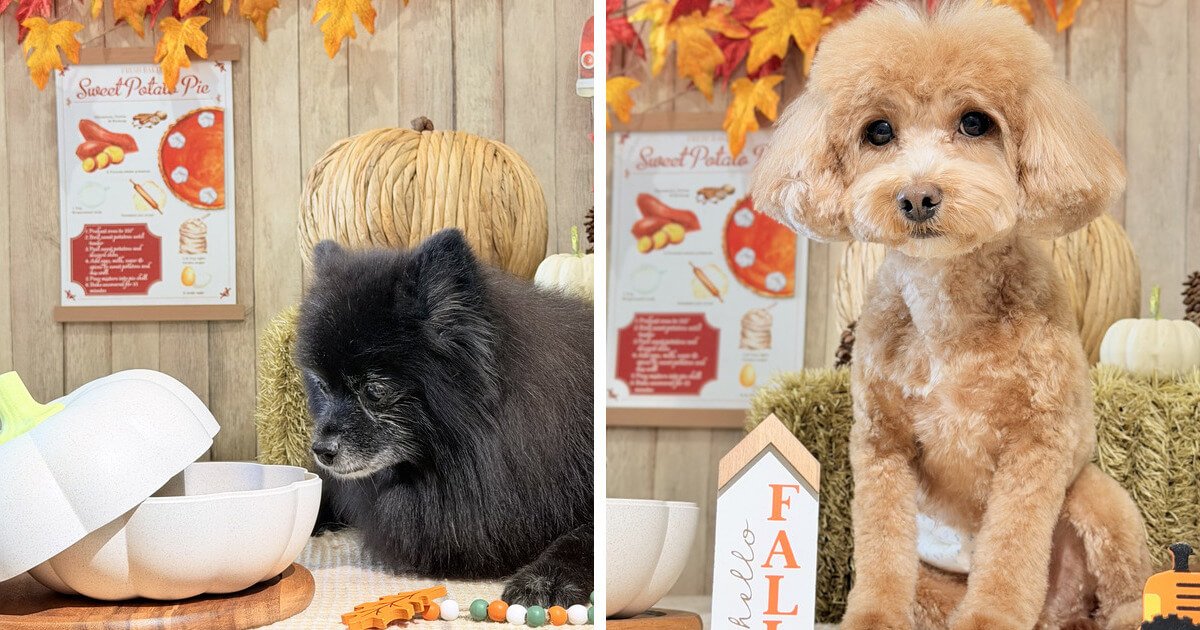
The fall foods dogs should not eat list gets a lot longer once the weather turns, and I did not really think about it until our first autumn with three small dogs. Between the candy bowl by the door, the pumpkin spice everything, and whatever is falling off the trees on our walks, there is suddenly a lot more within reach than there was in July.
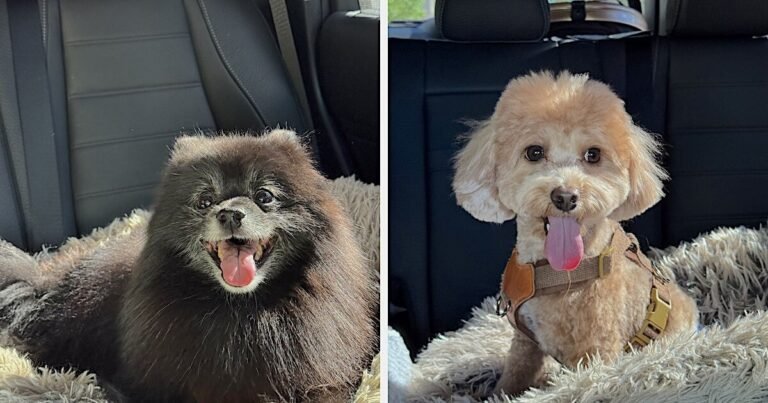
Something worth knowing if you have small dogs like we do: toxicity is about dose relative to body weight. Ours are around ten pounds each. An amount that would barely register for a 70-pound lab can land a 10-pound dog at the emergency vet. That is the part that made me start actually reading labels.
At a Glance: The Fall Offenders
| Food | Why it is a problem |
| Grapes and raisins | Can cause kidney failure, and no safe amount has been established |
| Chocolate | Theobromine and caffeine; dark and baking chocolate are the worst |
| Xylitol (sugar-free candy, gum) | Causes a rapid blood sugar crash and liver damage |
| Onions, garlic, chives, leeks | Damage red blood cells; hidden in stuffing, gravy, and soups |
| Nutmeg | Contains myristicin; the pumpkin spice blend problem |
| Macadamia nuts | Weakness, tremors, and vomiting |
| Cooked bones | Splinter and can perforate the digestive tract |
| Fatty scraps and turkey skin | A common trigger for pancreatitis |
The fall foods dogs should not eat, and where they hide
Most of these are not sitting out in an obvious bowl. They are mixed into something else, which is exactly why they get eaten.
- Grapes and raisins show up in trail mix, granola, cookies, and stuffing. Raisins are the sneaky one because they are small and easy to drop
- Xylitol is in sugar-free candy and gum, and in some peanut butters, which matters if you use peanut butter to hide a pill
- Onion and garlic are in almost every savory fall dish. Powdered forms are more concentrated than fresh, so gravy and seasoning packets are worse than a stray slice
- Nutmeg is the reason pumpkin pie is not the same as plain pumpkin. Plain canned pumpkin is fine, the pie is not
- Alcohol hides in mulled cider and rum-soaked desserts
- Raw bread dough keeps rising in a warm stomach and produces alcohol as it ferments
The ones I forget about every single year
Two things catch me off guard annually, and neither one is in the kitchen.
The first is what falls on the ground outside. Acorns contain tannins that can upset the stomach and, in quantity, cause worse problems. Black walnuts and any nut or fruit that has been sitting on wet ground long enough to grow mold are worse, since the mold itself can cause tremors. With small dogs whose noses are six inches from the sidewalk, this is a real fall walk issue.
The second is the candy bowl. Not the candy itself, which everyone already knows about, but the wrappers. A dog that swallows foil and plastic can end up with a blockage even if the chocolate amount was too small to matter.
What is actually fine
The list of safe fall foods is shorter but it is real, and it is what I lean on when everyone is eating something and the dogs are staring:
- Plain canned pumpkin, unsweetened and unspiced, not pie filling
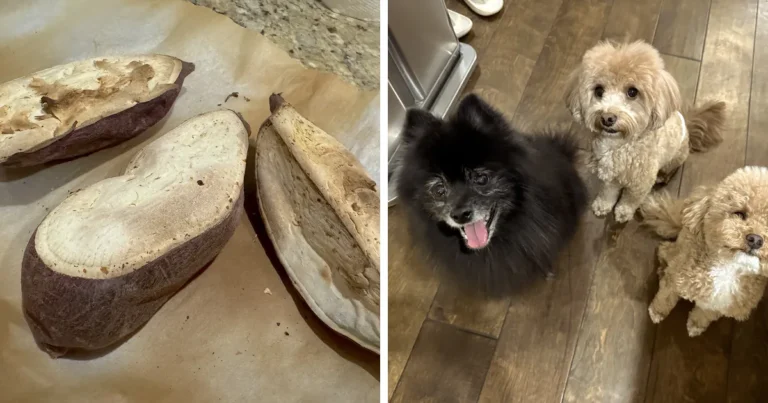
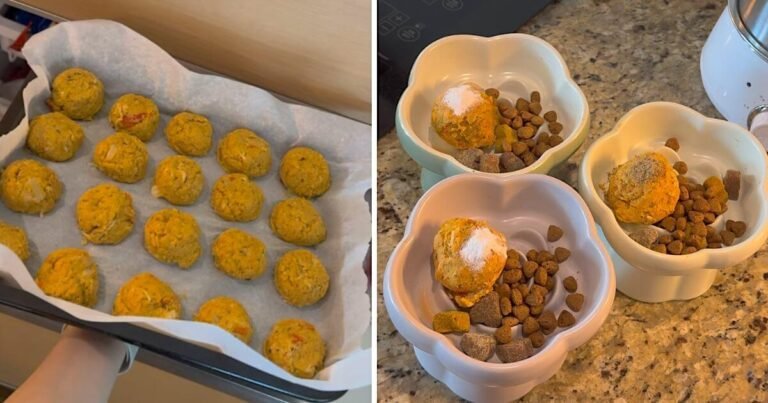
- Plain cooked sweet potato, no butter, no brown sugar, no marshmallow (here’s how I cook sweet potato for dogs)
- Plain cooked turkey meat, skin off and unseasoned
- Green beans, carrots, and apple slices with the seeds and core removed
Plain is doing all the work in that list. The vegetable is rarely the problem. The butter, salt, onion powder, and sugar we cook it with is the problem. Plain canned pumpkin is also what I stir into their bowls on an off day, and it folds right into the way we mix homemade food with kibble.
What we actually do about it
Nothing clever. The candy bowl lives somewhere they cannot reach, leftovers get put away before the dishes get done, and on fall walks I pay more attention to what they are sniffing at than I do the rest of the year.
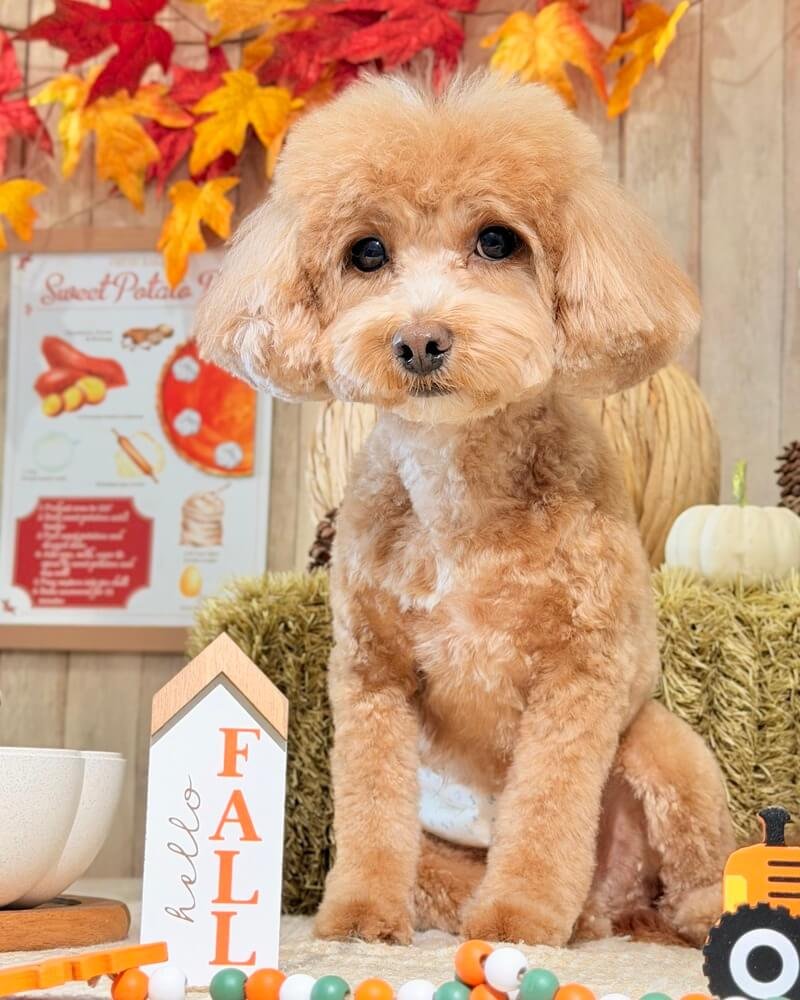
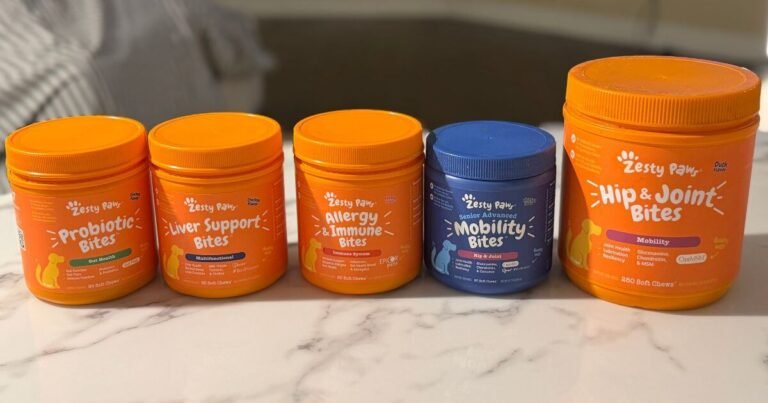
Since we do homemade food for all three dogs, I am already reading every label that comes into the house, right down to the supplements they take every morning, and that habit carries over. If I cannot tell whether something has onion powder or xylitol in it, it does not get shared.
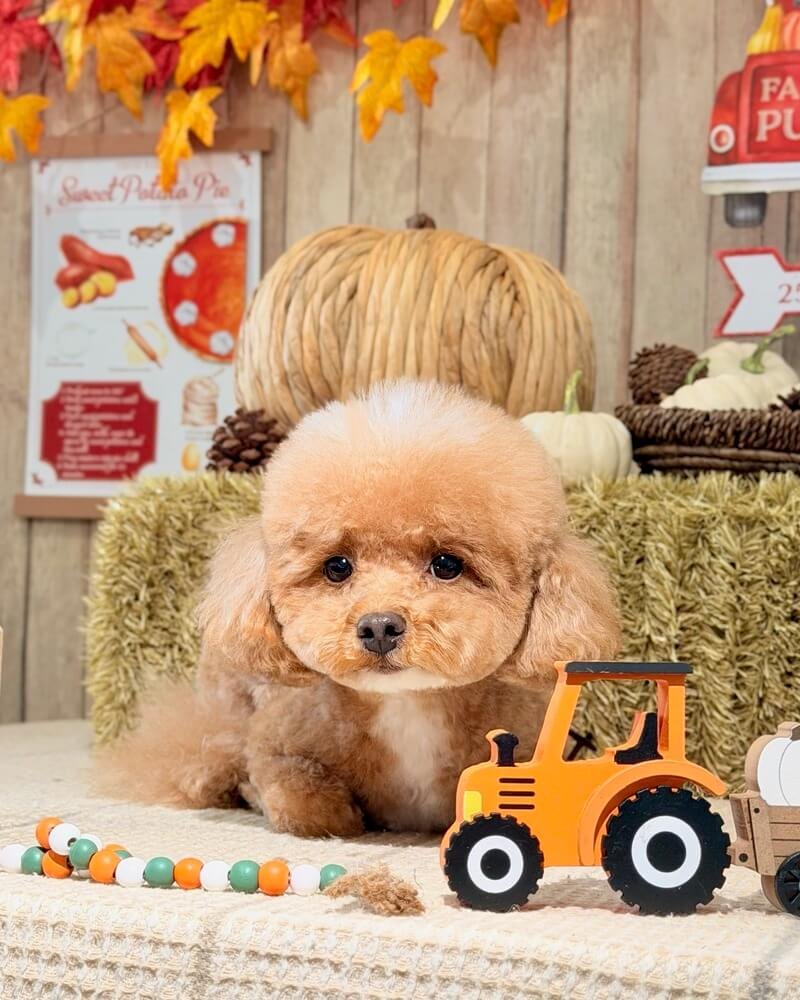
If your dog eats something they should not
Do not wait to see how it goes, and do not try to make them vomit unless a vet tells you to. Call someone right away:
- Your vet, or the nearest emergency vet if it is after hours
- ASPCA Animal Poison Control: (888) 426-4435
- Pet Poison Helpline: (855) 764-7661
Both hotlines charge a consultation fee and both are open around the clock. Have the packaging in hand if you can, along with your dog’s weight, since the first question is almost always how much relative to how big.
Frequently Asked Questions
The short version is that fall does not add many new dangerous foods so much as it puts the usual ones everywhere at once, in forms that are easy to drop and easy to miss. Reading labels and keeping the candy bowl up high covers most of it. If you want the other side of this, I put together what the daily dental routine looks like for three small dogs, since a lot of what they chew on ends up mattering there too.
I am not a vet, so treat this as a starting point rather than medical advice, and check with yours about your own dog. If there is a fall food you were surprised to learn was off limits, I would love to hear about it in the comments.
Save this for later 📌
Hosting a fall dinner with dogs in the house? Save this pin so the list of foods to keep off the floor is easy to pull up before Thanksgiving.